UK Gambling Sector Data: Remote Casinos Surge to £1.4 Billion GGY in Q2 2025
Blake Schwarz · Mar 13, 2026

UK Gambling Sector Data: Remote Casinos Surge to £1.4 Billion GGY in Q2 2025
The Latest from the UK Gambling Commission
Data released by the UK Gambling Commission paints a clear picture of the sector's performance during the second quarter of the financial year running from April 2025 to March 2026; specifically, figures cover July through September 2025, highlighting shifts in both remote and land-based activities. Remote casino gross gambling yield (GGY), which measures stakes placed minus winnings returned to players, hit £1.4 billion in this period, a figure that captures attention because it represents 69.9% of the combined GGY for remote casinos, bingo, and betting combined. Land-based operations, including arcades, betting shops, bingo halls, and physical casinos, tallied a total GGY of £1.2 billion over the same three months, underscoring ongoing dynamics between digital platforms and traditional venues.
What's interesting here lies in the dominance of remote casinos within their remote category; that 69.9% share means the total remote casino, bingo, and betting GGY amounted to roughly £2 billion, with casinos driving the lion's share while bingo and betting filled out the rest. Observers tracking these quarterly releases note how such breakdowns reveal player preferences leaning heavily toward online slots, table games, and live dealer experiences offered remotely, especially as mobile access expands. And yet land-based totals hold steady at £1.2 billion, spread across diverse outlets that cater to in-person crowds seeking that tangible buzz of machines whirring or roulette wheels spinning.
Breaking Down Remote Casino Performance
Remote casino GGY reaching £1.4 billion marks a robust quarter for online operators, fueled by technological advancements like seamless app integrations and high-definition streaming for live games; this yield not only topped contributions from remote bingo and betting but also highlighted casinos' outsized role in the remote ecosystem. Figures reveal that without this casino segment, the remote total for casino, bingo, and betting would shrink considerably, sitting at just 30.1% from those other areas combined. Experts who analyze these stats point out patterns where peak summer months, like July through September, often see upticks due to seasonal leisure spending, vacations aligning with more screen time, and promotional campaigns ramping up engagement.
Take one case from past quarters observers reference indirectly through trends: remote casinos consistently outpace siblings because players gravitate toward variety—thousands of slots, blackjack variants, roulette wheels available 24/7—without needing to leave home. Data shows this £1.4 billion didn't emerge in isolation; it reflects licensed operators complying with stricter affordability checks introduced earlier in the financial year, yet still posting strong yields because regulated remote play attracts cautious yet active participants. That's where the rubber meets the road for the industry, balancing compliance with growth.
Land-Based Sectors Hold Ground at £1.2 Billion
Land-based GGY totaling £1.2 billion across arcades, betting, bingo, and casinos demonstrates resilience in physical spaces, even as remote options proliferate; arcades draw in casual visitors with low-stakes machines, betting shops thrive on live sports events during summer, bingo halls foster community vibes, and casinos offer premium table games under one roof. This aggregate figure, while trailing the remote casino standalone yield, encompasses a broader mix of venue types adapting to foot traffic patterns influenced by weather, events, and economic factors.
But here's the thing: within land-based casinos specifically, contributions blend into that £1.2 billion total, competing with arcades' steady pull from family outings and betting's event-driven spikes. Studies of prior data indicate land-based yields stabilize around these levels post-pandemic, with operators investing in renovations, cashless payments, and hybrid events to bridge the gap. People who've studied venue economics observe how £1.2 billion sustains jobs, local economies, and high-street presence, proving physical gambling isn't fading quietly.
Comparing Remote and Land-Based Totals
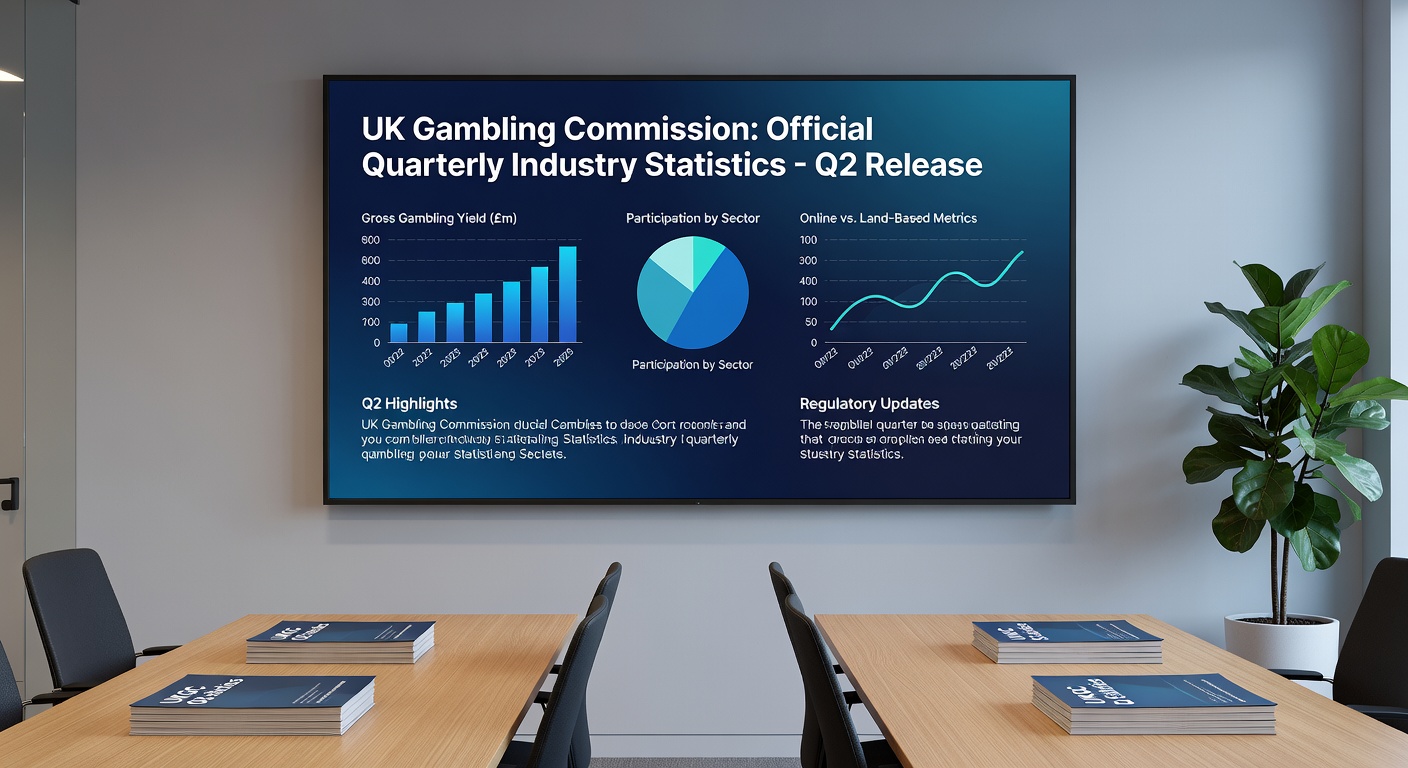
Juxtaposing the £1.4 billion remote casino GGY against the £1.2 billion land-based aggregate reveals a tight race, where online casinos alone edge out the full spectrum of physical operations; this dynamic plays out as remote flexibility—playing anytime, anywhere—clashes with land-based allure of social interaction and immediate gratification. Total remote casino, bingo, and betting at approximately £2 billion dwarfs land-based by a notable margin, yet the latter's £1.2 billion underscores diversification, preventing over-reliance on digital channels prone to tech glitches or regulatory tweaks.
Turns out, summer quarters like this one amplify remote gains because travelers tap into apps during downtime, while land-based spots benefit from tourists hitting high streets; data from the quarterly report confirms these yields align with year-to-date trends building toward the March 2026 fiscal close. Researchers digging into longitudinal stats find remote casinos growing at paces that challenge land-based shares, but physical venues counter with loyalty programs and exclusive events keeping yields competitive. It's noteworthy that together, these figures signal a mature market evolving rather than pitting one against the other.
One study highlighted in similar releases (though focused here on Q2 specifics) showed how GGY calculations—stakes minus payouts—remain consistent metrics, allowing apples-to-apples comparisons; for instance, remote casinos' 69.9% dominance within their group mirrors efficiencies in scaling digital infrastructure without venue overheads. Land-based operators, meanwhile, navigate higher costs like rent and staffing, yet deliver £1.2 billion through experiential value that screens can't replicate fully.
Context Within the 2025-2026 Financial Year
As the financial year progresses from April 2025 toward its March 2026 endpoint, Q2 data provides a midpoint snapshot, with remote casino strength at £1.4 billion setting benchmarks for upcoming quarters; holidays in Q4, sports seasons, and potential regulatory updates could influence trajectories, but current figures suggest sustained remote momentum. Land-based £1.2 billion fits into a pattern where physical sectors weather economic pressures through targeted adaptations, like arcades enhancing family appeal or casinos hosting themed nights.
Now, with March 2026 looming as the year-end marker, analysts anticipate full-year compilations will contextualize these Q2 highs, potentially revealing if remote casinos maintain their 69.9% slice or if bingo and betting rebound. Observers note the Commission's emphasis on transparent reporting fosters trust, helping stakeholders—from operators to policymakers—navigate ahead. And since GGY tracks economic health without delving into player numbers directly, it spotlights yield efficiency across channels.
There's this case where past Q2s showed similar remote tilts, but land-based rebounds in winter; whether that holds remains to be seen, especially with affordability initiatives tightening remote play. Figures like these don't lie, painting a sector that's innovative yet rooted.
Key Takeaways from the Statistics
- Remote casino GGY: £1.4 billion, dominating at 69.9% of remote casino/bingo/betting total.
- Land-based total GGY: £1.2 billion across arcades, betting, bingo, casinos.
- Remote aggregate for casino/bingo/betting: Approximately £2 billion.
- Covers July-September 2025, part of April 2025-March 2026 financial year.
- Highlights shift toward digital while physical holds firm.
Such bullet-point clarity distills the report's essence, aiding quick grasps amid dense data.
Conclusion
The UK Gambling Commission's Q2 2025 statistics spotlight remote casinos' £1.4 billion GGY as a powerhouse, claiming nearly 70% of its remote peers while land-based venues aggregate £1.2 billion in a display of balanced endurance; these numbers, drawn from official industry data, underscore a sector adapting