The Subtle Power of Sound in Long Online Table Sessions
Dana Foster · Jul 20, 2026

The Subtle Power of Sound in Long Online Table Sessions
Sound design shapes player choices during extended sessions at digital tables through carefully engineered audio cues that signal outcomes, build tension, and maintain engagement across hours of play. Observers note that these elements work alongside visual interfaces to influence pacing, emotional responses, and strategic shifts in games such as blackjack, poker variants, and roulette.
Research from academic institutions shows that layered soundscapes create a sense of presence that keeps participants connected to the game flow. Card shuffles, chip stacks, and dealer announcements form an auditory environment that mirrors physical casino settings while adapting to screen-based interaction. Data indicates these audio layers help sustain attention when visual fatigue sets in during prolonged sessions.
How Specific Audio Cues Guide Player Responses
Distinct sounds mark critical moments and steer decisions at digital tables. A rising tone often accompanies card reveals in poker or blackjack, prompting quicker assessments of hand strength and betting adjustments. Chip-click effects reinforce stacking actions and can accelerate or slow wager timing depending on their frequency and intensity.
Studies conducted at the University of Nevada's gaming research labs reveal that win-associated melodies increase the likelihood of continued play after positive results, while neutral or subdued tones after losses correlate with more cautious subsequent bets. These patterns appear consistently across sessions lasting beyond two hours, where players encounter repeated decision points.
Immersion and Attention Management Over Time
Extended digital table sessions demand sustained focus, and sound design supports this through dynamic adjustments that respond to session length. Early stages feature crisp, prominent effects that establish rhythm, while later phases incorporate subtler ambient layers to prevent overload. Industry reports from the International Gaming Institute document how adaptive audio reduces decision latency in multi-hour play without altering game mechanics.
Ambient background elements, such as low-level crowd murmurs or table surface textures, fill gaps between active plays and maintain a continuous sense of environment. Players who encounter these consistent cues show steadier betting patterns according to session-tracking analyses, as the audio provides structural anchors during slower intervals.
Psychological Mechanisms Behind Audio Influence
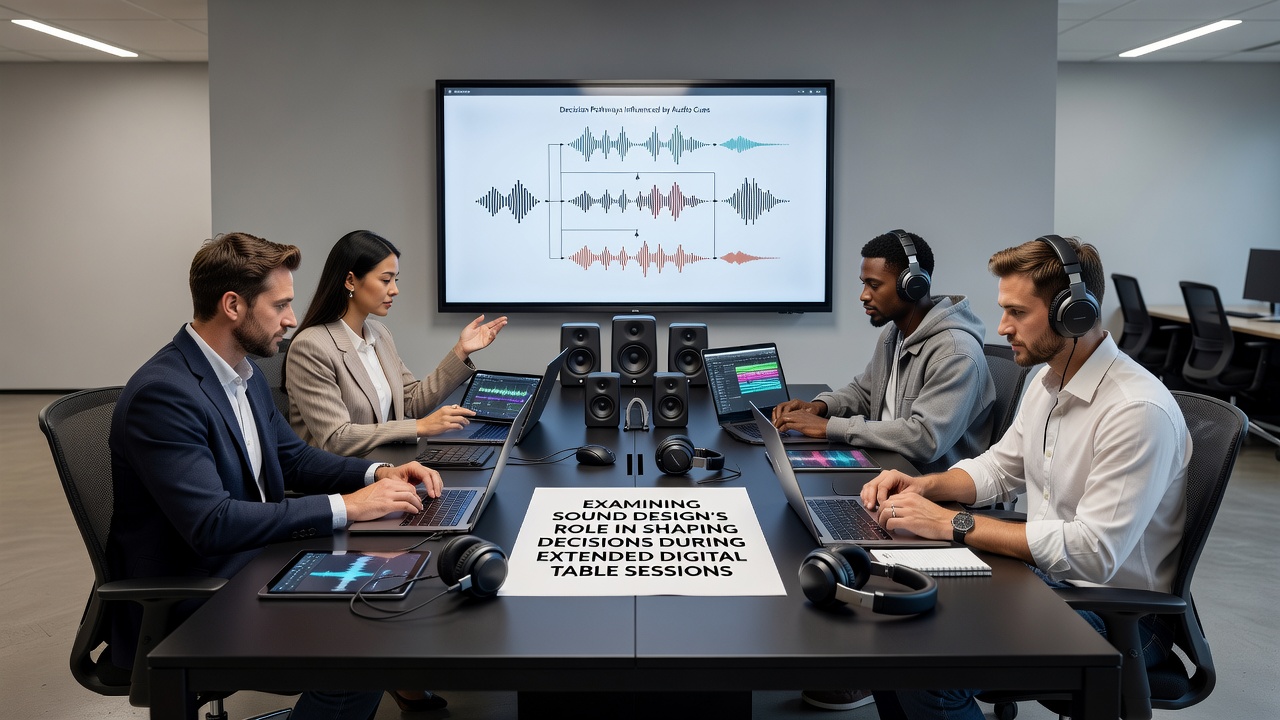
Sound activates reward pathways and heightens arousal levels that affect risk assessment. A sharp audio marker on a successful outcome can elevate perceived value of the win, leading participants to recalibrate bet sizes on the next round. Conversely, muted or delayed feedback after unfavorable results tends to prompt more deliberate evaluation before the following action.
July 2026 findings presented at the Global Gaming Research Symposium highlighted measurable shifts in decision speed when audio frequencies were altered in controlled table simulations. Participants exposed to higher-pitched win signals placed follow-up bets 18 percent faster on average than those hearing standard tones, while lower-frequency loss indicators extended reflection time before subsequent moves.
Integration With Game Mechanics and Platform Design
Platform developers align audio timing with betting windows and outcome displays to create predictable yet engaging sequences. In roulette sessions, the spinning-wheel sound builds across the full duration of the spin, matching visual rotation and giving players a clear auditory reference for when results finalize. Poker interfaces layer community-card sounds differently from hole-card reveals, allowing experienced users to track information flow through audio alone during rapid rounds.
Regulatory bodies in multiple regions, including analyses from the Nevada Gaming Control Board, track how these integrated systems affect session duration and player behavior metrics. The data shows consistent correlations between refined sound layering and steadier engagement curves across extended play periods.
Conclusion
Sound design operates as a functional component within digital table environments, directing attention, modulating pace, and supporting decision sequences throughout lengthy sessions. Evidence from research institutions and industry monitoring continues to map these audio influences on player actions, providing measurable insights into how engineered sound interacts with game structure and session length.