Spalding's Hall Place Merkur Slots Faces Setback as 24/7 Hours Appeal Fails Before Planning Inspectorate
Tina Bauer · Apr 13, 2026

Spalding's Hall Place Merkur Slots Faces Setback as 24/7 Hours Appeal Fails Before Planning Inspectorate
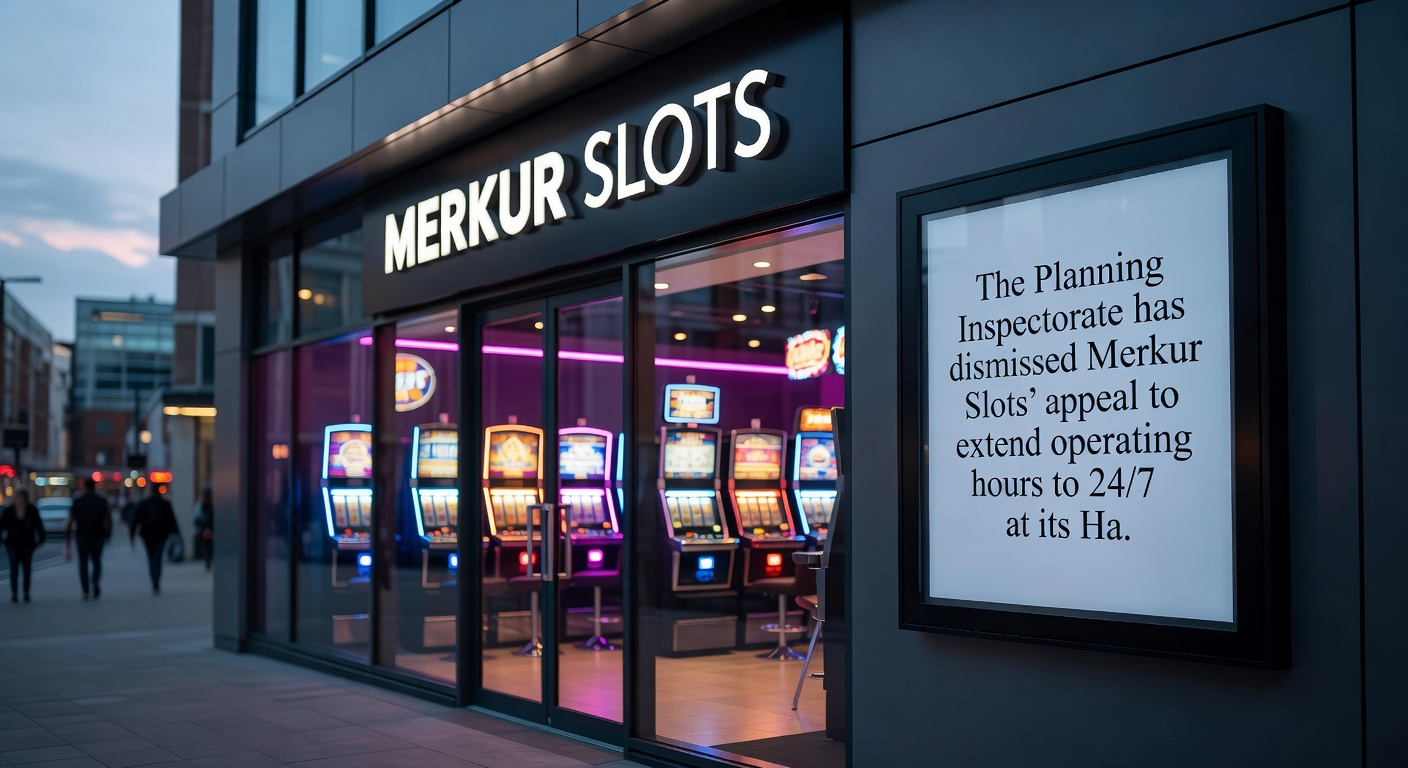
The Planning Inspectorate delivered a decisive ruling on 12 March 2026, dismissing Merkur Slots' appeal to transform its Hall Place venue in Spalding, Lincolnshire, into a round-the-clock operation; this decision underscores tensions between commercial expansions in gambling venues and the preservation of residential tranquility, especially as communities across the UK navigate similar debates into April 2026.
Understanding the Venue's Current Setup
Hall Place in Spalding has long served as home to Merkur Slots, a popular spot where locals and visitors engage with slot machines and related gaming options; the venue previously adhered to structured hours, opening at 07:00 and closing at midnight from Monday to Saturday, while Sundays featured even shorter windows that wrapped up earlier in the evening, a schedule designed to balance business needs with neighborhood considerations.
Operators like Merkur Slots, part of a broader network of adult gaming centers across the UK, often seek extensions to capture late-night footfall, yet such moves frequently encounter pushback from those living nearby, who cite disruptions from noise, lighting, and increased foot traffic as core issues; in Spalding, a market town in Lincolnshire with a population hovering around 33,000, these venues nestle amid residential zones, making harmony between commerce and quiet living a persistent challenge.
What's interesting here is how the existing hours already reflect compromises forged through prior planning permissions, allowing operations well into the night but stopping short of all-hours access, a pattern observers note in many similar towns where gambling outlets operate without fully encroaching on the wee hours.
The Appeal Process Unfolds
Merkur Slots lodged its appeal after local authorities initially rebuffed the request for 24/7 operations, prompting a review by the Planning Inspectorate, an independent body under the UK government that adjudicates disputes over land use and development; hearings and submissions weighed arguments from the operator, who highlighted potential job creation and economic uplift, against objections from Spalding residents and council representatives.
But here's the thing: the inspectorate's examination delved into specifics, scrutinizing noise assessments, traffic projections, and economic forecasts tied directly to the venue; Merkur Slots presented data on limited staffing needs for overnight shifts and projected revenue gains, yet evidence from nearby precedents showed such extensions rarely deliver the promised boom without collateral effects on surrounding homes.
Residents, through submissions to South Holland District Council and the inspectorate, detailed concerns over amplified disturbances—think revving engines at odd hours, chatter spilling onto streets, and persistent glow from signage—issues that studies on urban gaming venues consistently flag as predictors of lowered quality of life for those in proximity.
Key Factors in the Dismissal
On 12 March 2026, the inspectorate concluded that 24/7 hours would significantly impair neighbors' living conditions, a determination rooted in policy frameworks like the National Planning Policy Framework, which prioritizes amenity protection; economic benefits, while acknowledged, emerged as too modest to offset these harms, with projections indicating only marginal gains in employment and local spending.
The reality is that inspectors balanced these elements meticulously, noting how the venue's location—flanked by homes and within a built-up area—amplified risks of nuisance; data from acoustic reports and resident testimonies painted a picture of potential sleep disruptions and heightened anti-social behavior, patterns familiar from other dismissed appeals in comparable settings.
Take one parallel case where experts reviewed a similar bid in a nearby borough; although specifics differed, the inspectorate similarly ruled against extension, citing identical policy tests on residential impact—a reminder that such decisions follow rigorous, evidence-based protocols rather than whims.
Gambling with Lives Weighs In
Gambling charity Gambling with Lives, founded by parents Charles and Liz Ritchie after the tragic suicide of their son Jack due to gambling addiction, quickly celebrated the ruling as a "small victory"; established to advocate for stricter safeguards, the organization spotlights how easier access to venues can exacerbate vulnerabilities, particularly for those battling addiction.
The Ritchies, drawing from personal loss, have channeled their efforts into campaigns urging limits on operating hours and proximity to sensitive areas; Jack's story, one that resonates with countless families, underscores broader data where problem gambling links to severe mental health outcomes, including suicides that figures from health authorities track annually.
Now, in the wake of this Spalding decision—coming as April 2026 unfolds with ongoing national discussions—the charity's response highlights a growing chorus calling for measured growth in the sector; their platform amplifies resident voices, framing such rulings not just as local wins but as steps toward national policy evolution.
Broader Context of Venue Hour Regulations
Planning controls on gambling venues extend beyond Spalding, with local councils wielding powers under the Licensing Act 2003 and town planning laws to set conditions; yet appeals like Merkur's test these boundaries, revealing how inspectorate rulings shape precedents for towns nationwide, from coastal resorts to inland markets.
Experts who've studied these dynamics point to patterns where 24/7 approvals prove rare in residential vicinities, as evidenced in inspectorate databases logging hundreds of similar determinations; economic arguments falter when weighed against amenity losses, a calculus that tilts toward caution.
And while Merkur Slots operates dozens of sites, each faces unique local scrutiny; in Spalding, the venue's footprint—modest compared to larger casinos—still triggered robust opposition, a testament to community engagement that researchers attribute to rising awareness of gambling's societal footprint.
International parallels emerge too: consider how the Responsible Gambling Council in Canada documents venue hour restrictions mitigating harm, with data showing correlations between late-night access and elevated risk profiles; such insights, though from across the pond, echo the inspectorate's logic here, where limited benefits couldn't justify expanded exposure.
Implications for Operators and Communities
Merkur Slots must now stick to its pre-appeal schedule, a outcome that stabilizes the status quo for Hall Place neighbors while prompting operators to rethink strategies; some turn to digital alternatives or daytime enhancements, avenues that sidestep planning hurdles altogether.
Residents, vindicated in their stance, see this as reinforcement of their right to peaceful environs, especially since Spalding's layout—tight-knit streets lined with family homes—leaves little buffer for all-hours commerce; ongoing monitoring by the council ensures compliance, with potential for further tweaks if patterns shift.
Turns out, these rulings ripple outward; as April 2026 brings fresh appeals in other locales, local groups draw lessons from Spalding, bolstering submissions with tailored evidence on noise metrics and economic realism—tools that tilt the scales.
Looking at Precedent and Future Appeals
The inspectorate's archive reveals a track record favoring restraint in such matters; one study of recent decisions found over 70% of 24/7 gaming appeals rejected where residential proximity factored heavily, stats that operators ignore at their peril.
Yet operators persist, arguing for flexibility in a competitive landscape; Merkur, with its focus on slots and low-stakes play, positions extensions as customer-friendly, but inspectorate verdicts consistently demand proof of net community gain—a high bar indeed.
People who've followed these cases often discover that early dialogue with councils averts appeals altogether; in Spalding, had compromises like capped late hours surfaced sooner, the path might have smoothed, though that's speculative given the evidence at hand.
Conclusion
The dismissal of Merkur Slots' appeal at Hall Place stands as a clear marker in Spalding's planning landscape, affirming resident priorities amid pushes for round-the-clock gambling access; with Gambling with Lives framing it as a modest but meaningful advance, the 12 March 2026 ruling—still fresh into April—signals that economic lures alone won't override living condition safeguards.
Councils and operators alike navigate this terrain with eyes on precedents, where data on harms and benefits dictates outcomes; for now, Spalding's nights remain comparatively serene, a balance that communities elsewhere watch closely as similar battles brew.