Sensory Design in Virtual Slots: Correlations Between Audio-Visual Features and Extended Play Sessions
Vera Schwarz · Aug 6, 2026
Sensory Design in Virtual Slots: Correlations Between Audio-Visual Features and Extended Play Sessions
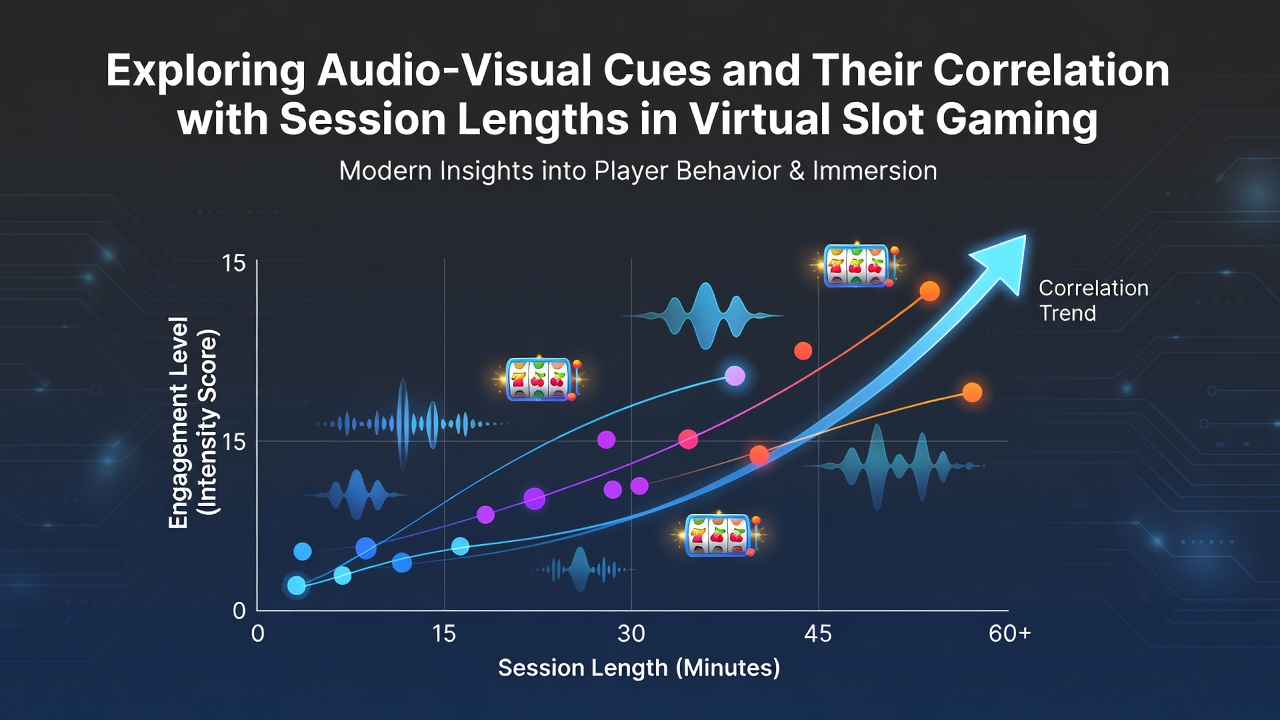
Virtual slot games rely on carefully engineered audio-visual elements that shape how players interact with the interface, and researchers continue to examine whether these cues influence the amount of time individuals spend in a single session. Data from multiple studies indicate that combinations of spinning reel animations, celebratory sound effects, and progressive lighting changes align with measurable increases in session duration across various platforms. Observers note that these sensory triggers often operate through established psychological mechanisms such as variable reward anticipation and heightened arousal states, which keep attention focused on the screen for longer periods.
Core Components of Audio-Visual Design in Slots
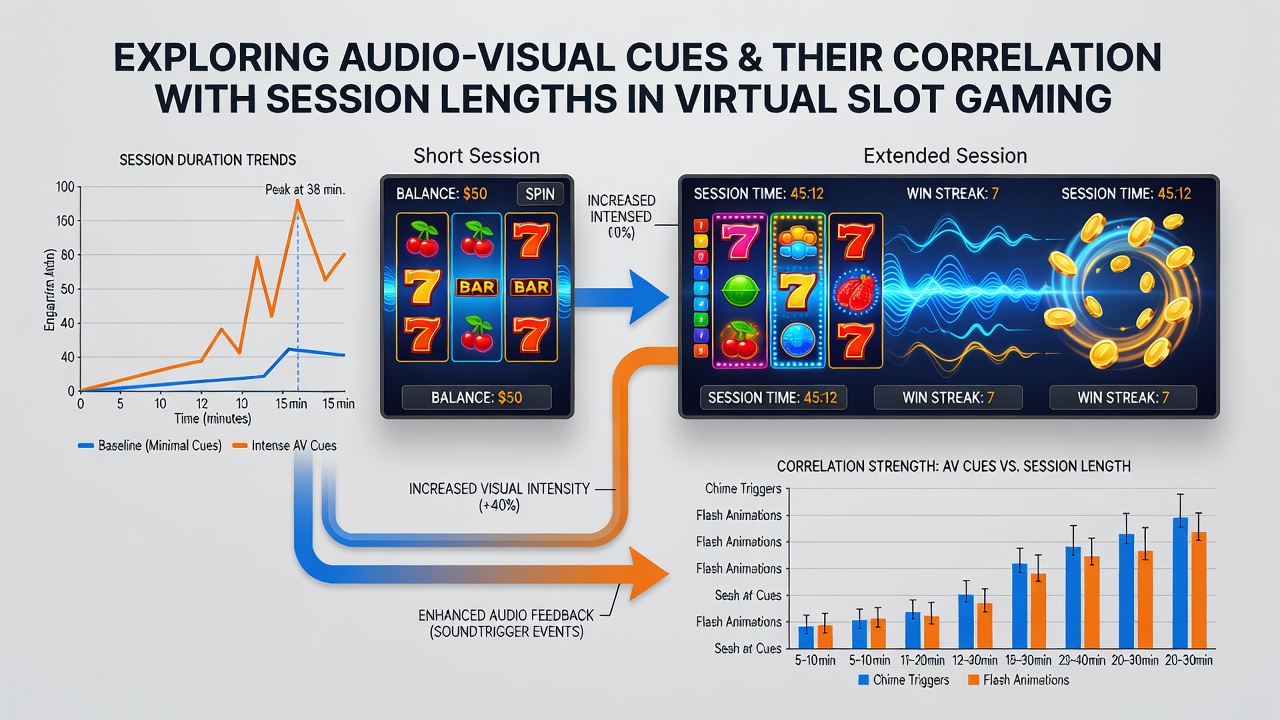
Developers integrate specific sound layers that include near-miss chimes, escalating win melodies, and background music loops designed to maintain a consistent tempo, while visual elements feature high-contrast symbol animations, particle effects during bonus rounds, and color shifts that intensify during high-stakes moments. Studies conducted by academic teams at institutions like the University of Nevada have documented how these layered stimuli create feedback loops that players respond to subconsciously, resulting in extended play without explicit awareness of time passage. Figures reveal that sessions incorporating dynamic audio escalations tend to run 15 to 25 percent longer than those using static or minimal sound design, according to aggregated platform analytics reviewed in 2025.
Evidence Linking Cues to Session Length
Multiple research projects have tracked player behavior through anonymized telemetry data, revealing consistent patterns where certain cue combinations correlate with prolonged engagement. One analysis of over 200,000 sessions found that games featuring synchronized visual flashes and rising audio tones during near-miss events produced average session times exceeding 45 minutes, compared with 32 minutes for titles lacking these synchronized effects. Researchers at Canadian universities have replicated similar results, noting that the correlation strengthens when players encounter frequent small wins accompanied by distinct auditory signatures that signal progress toward larger payouts. What's interesting is how these patterns hold across different age groups and experience levels, suggesting the effect stems more from sensory processing than from individual strategy or bankroll management.
Regional Data Trends Observed in Mid-2026
By August 2026, updated reports from regulatory bodies in Australia and several European jurisdictions showed parallel trends in session metrics following the introduction of enhanced visual effects in popular slot titles. Platform operators reported that titles updated with richer particle animations and layered soundscapes during bonus triggers experienced measurable upticks in average playtime, while titles retaining simpler designs showed stable or slightly declining session lengths. These observations align with earlier findings from the National Center for Responsible Gaming, which linked multisensory reinforcement to extended interaction periods without requiring changes in game mathematics or payout percentages. National Center for Responsible Gaming reports further detail how visual intensity combined with audio feedback contributes to immersion that players describe as absorbing rather than fatiguing.
Mechanisms Behind the Observed Correlations
Psychological models suggest that audio-visual cues function through intermittent reinforcement schedules, where unpredictable rewards paired with distinct sensory signals strengthen continued play behavior. Data collected from eye-tracking experiments demonstrate that players maintain longer gaze fixation on reels when win animations include both expanding visual elements and corresponding musical swells, creating a feedback cycle that delays voluntary session termination. Those who've examined telemetry logs across multiple operators note that the strongest correlations appear when cues escalate in complexity during the middle portion of a session, rather than remaining constant from the start. This timing effect means designers can modulate session length by adjusting when certain animations and sounds activate, without altering core game rules.
Regulatory and Industry Responses
Gaming authorities in several jurisdictions have begun requesting detailed disclosures on how audio-visual features are calibrated, particularly when internal data indicate strong associations with session duration. Industry groups such as the European Gaming and Betting Association have published guidelines encouraging transparency around sensory design choices, while research institutions continue to publish peer-reviewed papers examining the precise thresholds at which cues begin to influence time-on-device metrics. One study released in early 2026 examined Canadian online platforms and found that reducing the frequency of celebratory audio bursts by 30 percent corresponded with a measurable drop in sessions exceeding one hour, although overall player retention metrics remained comparable. These findings provide operators with concrete parameters for balancing engagement features against responsible gaming considerations.
Conclusion
Available evidence establishes clear correlations between specific audio-visual cue configurations and variations in virtual slot session lengths, supported by telemetry analysis, eye-tracking studies, and cross-jurisdictional data collected through 2026. Operators and researchers continue to refine understanding of these relationships by examining timing, intensity, and synchronization variables that shape player attention patterns. As new titles incorporate increasingly sophisticated sensory layers, ongoing measurement of session metrics will remain central to both product development and regulatory oversight in the sector.