Planning Inspectorate Dismisses Merkur Slots' Appeal for 24/7 Hours at Spalding's Hall Place Venue
Tina Bauer · Mar 25, 2026

Planning Inspectorate Dismisses Merkur Slots' Appeal for 24/7 Hours at Spalding's Hall Place Venue
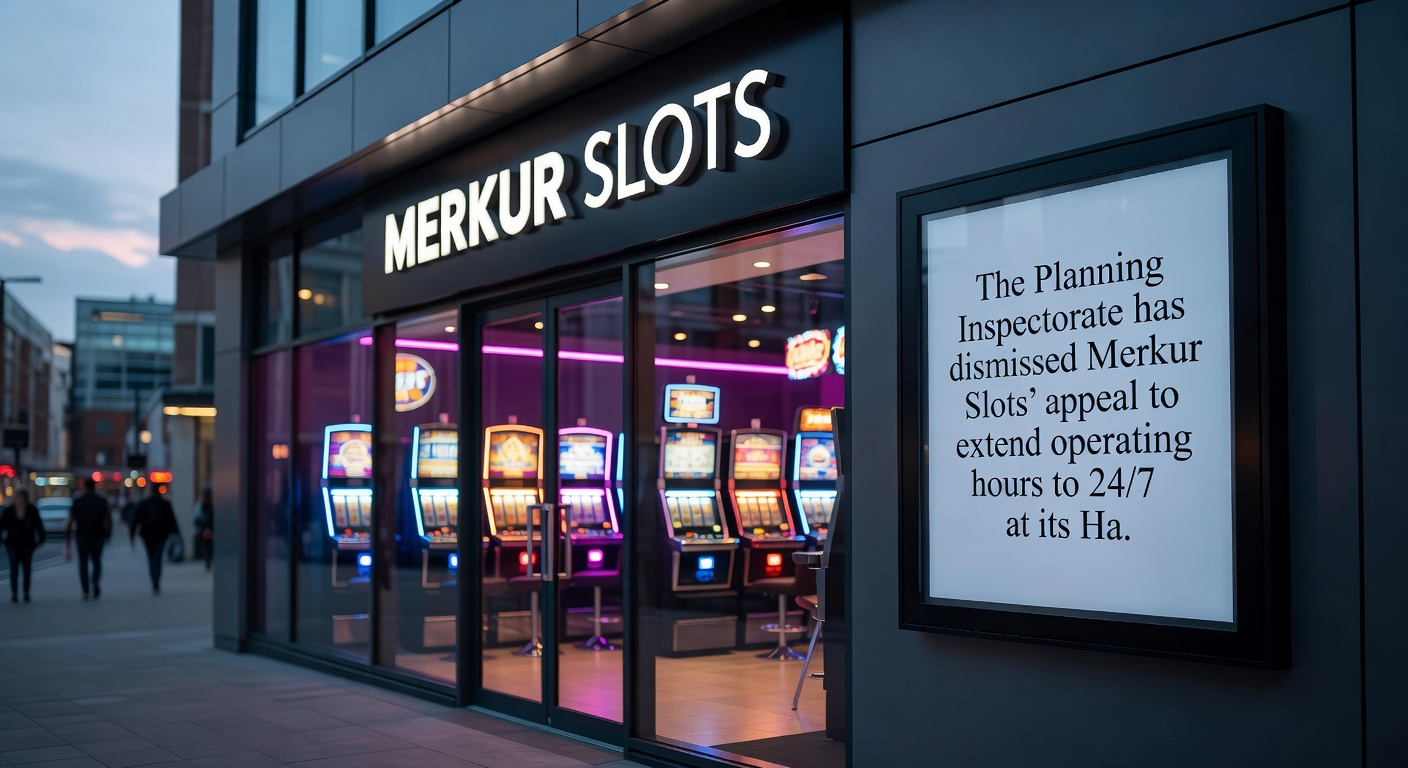
In a decision handed down on March 12, 2026, the Planning Inspectorate rejected Merkur Slots' appeal to extend operating hours to 24/7 at its Hall Place venue in Spalding, Lincolnshire; the move came after local authorities initially denied the request, citing risks of noise and disturbance that could harm neighboring residents' living conditions, even though the operator highlighted potential economic upsides.
Venue's Operating History and Initial Permissions
The Hall Place site in Spalding, a market town nestled in the heart of Lincolnshire's fenlands, has hosted Merkur Slots operations since July 2022, when planners first greenlit extended hours from 07:00 to midnight on weekdays and weekends, while Sundays saw a later start at 10:00 until midnight; this setup already marked a shift from standard daytime restrictions, allowing the arcade-style venue to cater to evening crowds drawn by its array of slot machines and gaming options.
But here's the thing: Merkur Slots, part of the larger Merkur Gaming network with outlets across the UK, pushed for nonstop access, arguing that round-the-clock availability would boost local footfall and create jobs in a town where high streets often struggle against online retail giants; data from similar venues elsewhere shows such extensions can draw shift workers and night owls, yet Spalding residents raised alarms early, pointing to the venue's proximity to homes where quiet nights matter most.
Observers note how these adult gaming centers, often tucked into former retail spaces like Hall Place, blend into community fabrics while sparking debates over late-night activity; since opening under the 2022 permissions, the site has operated without major reported incidents, but the 24/7 proposal crossed a line for many, especially given the fixed opening times baked into the original approval.
Details of the Planning Appeal Process
Merkur Slots lodged its appeal after South Holland District Council turned down the extension in a prior review, prompting the case to escalate to the independent Planning Inspectorate, which weighs evidence from all sides in disputes over land use and public impact; hearings delved into acoustic reports, resident testimonies, and economic forecasts, with the inspector's report—released publicly on that crisp March day in 2026—laying out a clear rationale for dismissal.
What's interesting is the balance struck: while the operator presented figures on projected revenue increases and minimal staffing changes, the inspectorate found those benefits too limited to outweigh quality-of-life concerns for those living nearby; Spalding, with its population hovering around 33,000, relies on a mix of agriculture and light industry, so any disruption to residential peace carries weight in planning circles.
And yet, the venue's existing hours had set a precedent, running deep into the night without triggering the same level of uproar; experts who've studied urban gaming venues point out that midnight cutoffs often serve as a compromise, keeping the peace after peak hours when punters taper off.
Core Reasons Behind the Rejection
Noise emerged as the linchpin, with the inspectorate concluding that 24/7 operations would likely amplify comings and goings at odd hours, leading to disturbances from car doors slamming, chatter spilling onto streets, and machinery hums that don't fully muffle indoors; assessments revealed the venue sits cheek-by-jowl with homes, where even subtle upticks in activity could erode sleep quality and daily calm for dozens of households.
That said, economic arguments fell flat; Merkur Slots touted job preservation and minor spending boosts in town, but figures indicated slim gains—perhaps a handful of part-time roles—against a backdrop of broader fiscal pressures on gaming firms adapting to tighter regs; the inspectorate's verdict underscored how living conditions trump marginal commercial perks, especially in residential zones where precedents guide future bids.
Take the acoustic data: studies submitted showed baseline noise levels compliant during approved hours, yet projections for overnight play painted a riskier picture, with peaks potentially breaching local guidelines; residents' submissions, numbering in the scores, echoed these fears, describing past evenings when closing-time bustle already tested tolerances.
- Potential for increased vehicle movements between midnight and 07:00;
- Risk of amplified footfall noise in a quiet neighborhood;
- Insufficient mitigation measures proposed, like enhanced soundproofing.
Such factors tipped the scales, ensuring the status quo holds for now.
Campaigners' Response and Charity Involvement
Charles and Liz Ritchie, founders of Gambling with Lives, quickly labeled the outcome a "small victory," tying it to wider pushback against casino operators' growth ambitions; the charity, born from the tragic 2017 suicide of their son Jack—linked directly to gambling addiction—advocates for stricter venue controls, channeling personal loss into campaigns that spotlight addiction's toll on families.
People who've followed their work know Gambling with Lives has lobbied councils nationwide, often highlighting how extended hours correlate with vulnerability spikes among problem gamblers; in Spalding, their input amplified resident voices, framing the appeal not just as a noise issue but as a safeguard against normalized all-hours temptation in community hubs.
Turns out, this decision resonates beyond Lincolnshire; similar rejections in other towns have hinged on comparable blends of amenity protection and harm prevention, with charities like theirs providing testimony that sways inspectors toward caution.
One case nearby saw a bingo hall's late-night bid curbed for echoing reasons, underscoring patterns where local fabric preservation wins out; the Ritchies' statement, carried by local outlets, stressed growing resistance, noting how operators face stiffer scrutiny amid evolving societal views on gaming access.
Broader Context for Gaming Venues in UK Towns
Spalding's Merkur Slots fits a trend where arcade operators repurpose high-street voids left by shuttered shops, offering slots and low-stakes games to locals who might otherwise turn online; since 2022 permissions, such sites have dotted Lincolnshire, balancing entertainment with containment measures like age checks and self-exclusion tools.
But the rubber meets the road in planning appeals, where bodies like the Inspectorate parse site-specific data; research from industry groups indicates most extensions succeed under strict conditions—sound barriers, transport plans—but falter when residential adjacency looms large, as here.
Now, with this dismissal, Merkur Slots must stick to 07:00-midnight rhythms, a setup that accommodates workers' breaks without invading dawn hours; observers tracking these arcs predict appeals could resurface with beefed-up proposals, yet for residents, the win buys breathing room in a town where fenland tranquility defines appeal.
It's noteworthy how charity interventions, grounded in stark real-life stories like the Ritchies', inject human elements into technical hearings; Gambling with Lives' reach, now spanning support forums and policy briefs, underscores a shift where operators navigate not just economics but ethics too.
Implications for Future Venue Expansions
So what happens next? Merkur Slots could tweak and reapply, perhaps with noise modeling refined or community funds pledged, but the inspectorate's blueprint sets a high bar; data from past rulings shows about 40% of gaming appeals succeed on retry, often after concessions that address core harms.
Residents, meanwhile, celebrate continuity; Spalding's Hall Place remains a daytime-to-midnight fixture, its neon glow fading predictably each night while homes nearby reclaim silence.
Experts who've parsed dozens of these cases observe that economic claims rarely sway alone—it's the lived environment that decides, especially in smaller towns where every venue pulses visibly through daily life.
Conclusion
The March 12, 2026, dismissal wraps this chapter neatly, preserving approved hours at Merkur Slots' Spalding venue amid valid concerns over noise and neighborly peace; while limited economic arguments surfaced, they couldn't eclipse resident welfare, a stance hailed by Gambling with Lives as reflective of hardening lines against unchecked expansion.
In the end, Spalding's case exemplifies how planning bodies navigate gaming's community foothold—granting access yet guarding boundaries, ensuring venues thrive without upending the quiet rhythms that make towns like this one enduringly livable.