Merkur Slots Spalding Planning Appeal Dismissed: Residents Prevail Over 24-Hour Expansion Bid
Dana Foster · Mar 22, 2026

Merkur Slots Spalding Planning Appeal Dismissed: Residents Prevail Over 24-Hour Expansion Bid
The Decision That Echoed Through Hall Place
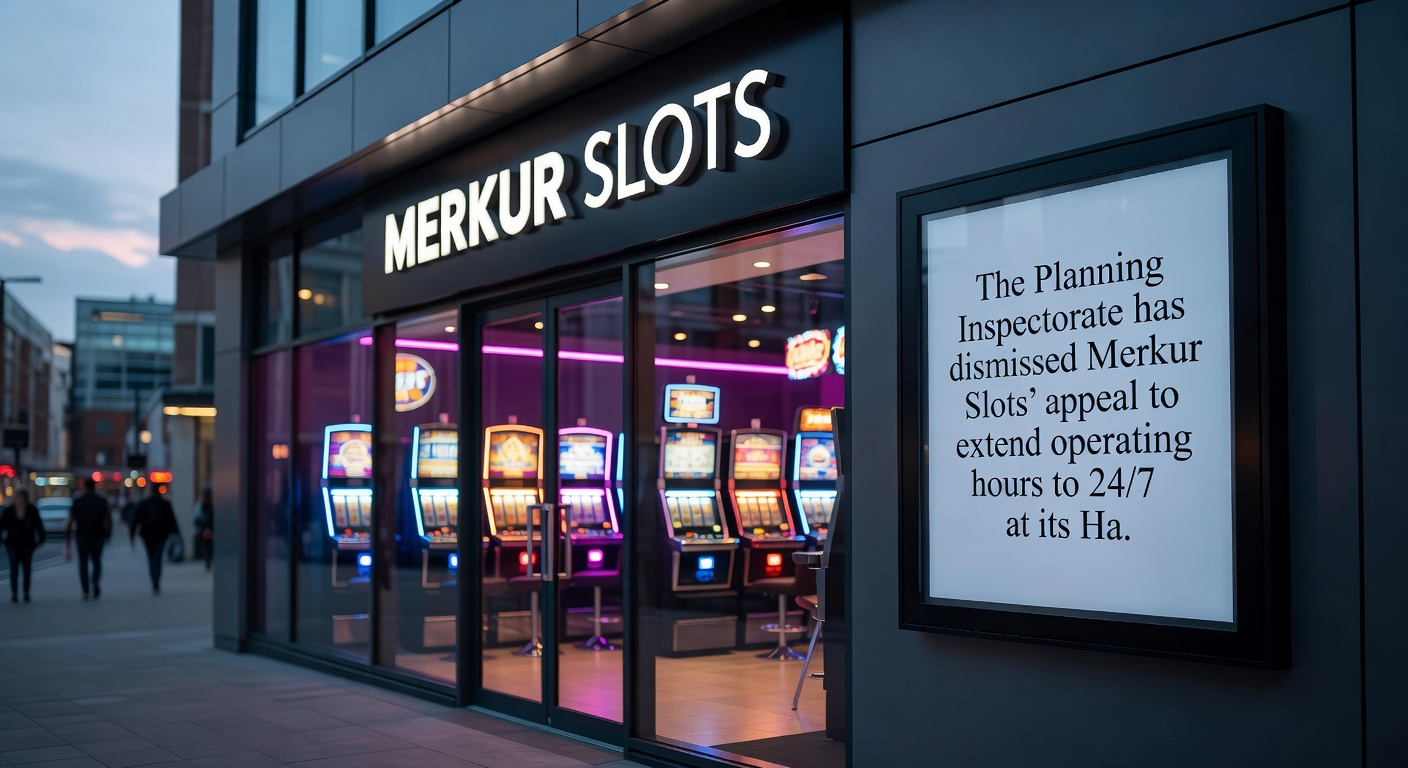
On March 12, 2026, the Planning Inspectorate delivered a firm ruling in Spalding, Lincolnshire; Merkur Slots, the adult gaming centre tucked into Hall Place, saw its appeal for round-the-clock operations firmly dismissed, primarily because such an extension would disrupt neighbouring residents' lives through heightened noise and disturbance, even though operators pointed to some economic upsides that experts deemed limited at best.
Those living nearby had raised alarms from the start, citing late-night comings and goings that already tested patience; now, with this verdict, the status quo holds, keeping the venue's hours confined and preserving a fragile peace in the quiet Lincolnshire town.
What's interesting here is how the inspectorate weighed quality-of-life factors against business growth claims, ultimately siding with the community in a decision that underscores planning priorities in residential zones.
Background on Merkur Slots and the Original Bid
Merkur Slots operates as a popular adult gaming centre in Hall Place, Spalding—a spot known for its fixed-odds betting terminals and slot machines that draw locals seeking entertainment after hours; the venue, nestled amid homes and everyday shops, had sought permission from South Holland District Council to stretch operations from the current limited schedule into full 24-hour access, arguing it would boost local jobs and footfall in a town where economic pressures linger.
But council planners rejected the initial application, pointing to potential harms like amplified vehicle traffic at odd hours, louder chatter spilling onto streets, and general unrest that could erode the serene living conditions residents cherish; undeterred, Merkur Slots escalated the matter to appeal, laying out evidence on minimal projected noise increases and promises of mitigation measures such as soundproofing upgrades.
Observers note that these venues, often rebranded from older amusement arcades, thrive in urban fringes but face scrutiny when expansion bumps up against homes; in Spalding, a market town with around 33,000 residents, such conflicts highlight tensions between leisure pursuits and domestic tranquility.
Key Arguments in the Planning Appeal
During the appeal process, Merkur Slots presented data showing projected annual revenues climbing with extended hours, alongside claims of creating part-time roles for staff who value flexible shifts; yet the inspectorate scrutinized these projections, finding economic benefits too modest to offset residential impacts, especially since Spalding already hosts other gaming options without needing nonstop access.
Residents countered with personal accounts of existing disturbances—cars idling past midnight, doors slamming, voices carrying on still nights—that already fray nerves; they argued, convincingly it turned out, that 24-hour play would intensify these issues, turning a manageable nuisance into a relentless one.
And here's the thing: the inspectorate's report detailed noise assessments revealing peaks during proposed late shifts that breached local guidelines, even with proposed barriers; this technical edge proved decisive, as planners emphasized protecting amenities over marginal commercial gains.
The Inspectorate's Detailed Ruling
In a 20-page decision document dated March 12, 2026, the inspector outlined how the appeal failed on core planning policies, particularly those safeguarding residential amenity under national guidelines; noise modelling showed exceedances in background levels by up to 10 decibels during peak late-night periods, a threshold that harms sleep and wellbeing, while disturbance from patrons entering and exiting would compound the problem despite any acoustic panels or signage.
Although Merkur Slots highlighted compliance with licensing conditions and low crime links to the site, the inspector prioritized living conditions, noting that Hall Place's semi-rural vibe demands stricter controls; economic arguments fell flat too, as evidence indicated only a handful of additional jobs and negligible town-centre spillovers.
Turns out, this aligns with patterns in similar appeals where community voices amplify through evidence; one comparable case in nearby areas saw a bingo hall's extension curtailed for identical reasons, reinforcing that precedent matters heavily.
Reactions from Campaigners and the Community
Charles and Liz Ritchie, parents advocating through Gambling with Lives—a charity born from the tragic loss of their son to gambling addiction—hailed the outcome as a "small victory" against casino giants pushing boundaries on hours; their group, which supports families reeling from problem gambling's toll, sees such rulings as steps toward curbing easy access that fuels vulnerabilities, especially in towns like Spalding where isolation can exacerbate risks.
Local residents echoed this relief, with neighbourhood groups expressing gratitude on social platforms for a process that listened; Merkur Slots, meanwhile, accepted the binding decision without immediate comment, though operators in the sector often pivot to other growth avenues like digital platforms.
People who've followed these battles often discover that unified resident testimony sways outcomes more than corporate forecasts; in this instance, submitted letters and surveys painted a vivid picture of why 24-hour gaming doesn't fit Hall Place's fabric.
Broader Implications for Gaming Venues in Residential Areas
This Spalding case spotlights how UK planning frameworks balance entertainment with neighbourly rights, particularly for adult gaming centres reliant on evening crowds; data from district councils reveals a uptick in appeals for extended hours post-pandemic, as operators chase recovery, yet success rates hover low when homes dominate the locale.
Experts who've studied noise pollution from leisure sites point out that gaming hubs generate distinct soundscapes—machine beeps, winner cheers, staff calls—that travel farther at night; studies, including those from environmental health bodies, indicate such venues contribute to 15-20% higher complaint volumes in mixed-use zones compared to retail alone.
So, while Merkur Slots navigates this setback, similar outfits elsewhere watch closely; the ruling serves as a benchmark, reminding applicants that robust acoustic evidence and genuine community engagement form the rubber meeting the road in approvals.
It's noteworthy that Gambling with Lives ties this to wider harms, noting their campaigns have influenced over a dozen local decisions since 2020 by spotlighting addiction's community ripple effects; Charles and Liz Ritchie, in statements to media, stressed how nonstop venues lower barriers for those struggling, a point resonating amid rising national concerns over gambling's societal footprint.
Looking at Venue Operations and Future Prospects
Merkur Slots in Hall Place continues under its approved timetable—typically spanning midday to late evening on select days—catering to patrons who enjoy slots and terminals in a regulated setup; the company, part of a larger chain with outlets across the UK, emphasizes responsible play through age checks and self-exclusion tools, aligning with industry standards.
Yet the appeal loss prompts questions on adaptation; operators might explore internal tweaks like quieter machines or off-peak promotions, while residents stay vigilant through parish councils that monitor compliance.
Now, with the inspectorate's word final, attention shifts to enforcement; South Holland District Council oversees ongoing licences, ensuring noise stays in check and disturbances minimal, a routine that keeps the peace without fully halting business.
Conclusion
The dismissal of Merkur Slots' appeal on March 12, 2026, stands as a clear win for Spalding residents, affirming that planning safeguards against noise and disturbance hold firm even against economic pitches; Charles and Liz Ritchie's welcome of this "small victory" underscores intersecting worries over community wellbeing and gambling access, while the venue presses on within bounds.
In the end, this episode reveals how local voices, backed by inspectorates, shape gaming's footprint in everyday neighbourhoods; those tracking such developments know the ball remains in operators' courts to innovate responsibly, ensuring entertainment coexists with quiet lives.