Loyalty Tier Systems and Their Effect on Wager Patterns in Online Blackjack
Vera Schwarz · Jun 6, 2026
Loyalty Tier Systems and Their Effect on Wager Patterns in Online Blackjack
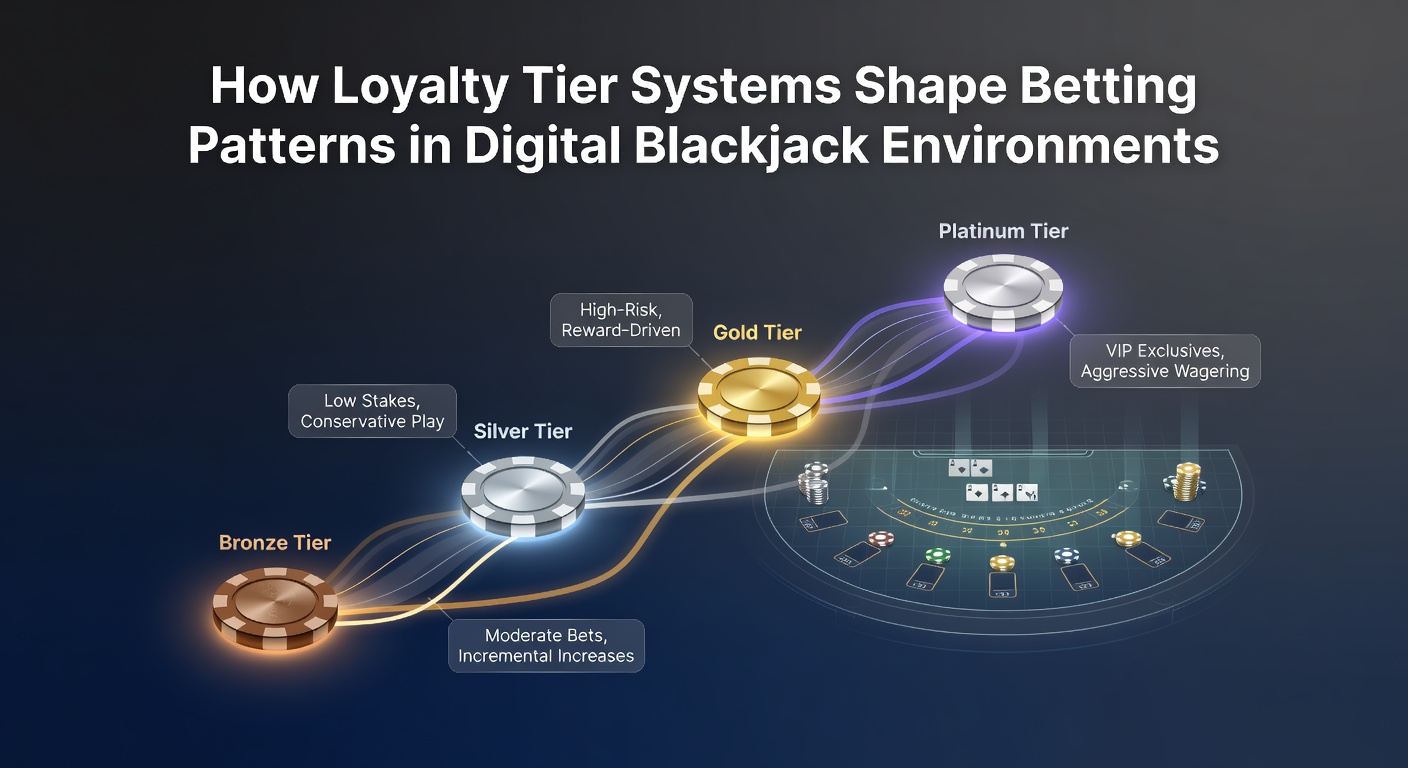
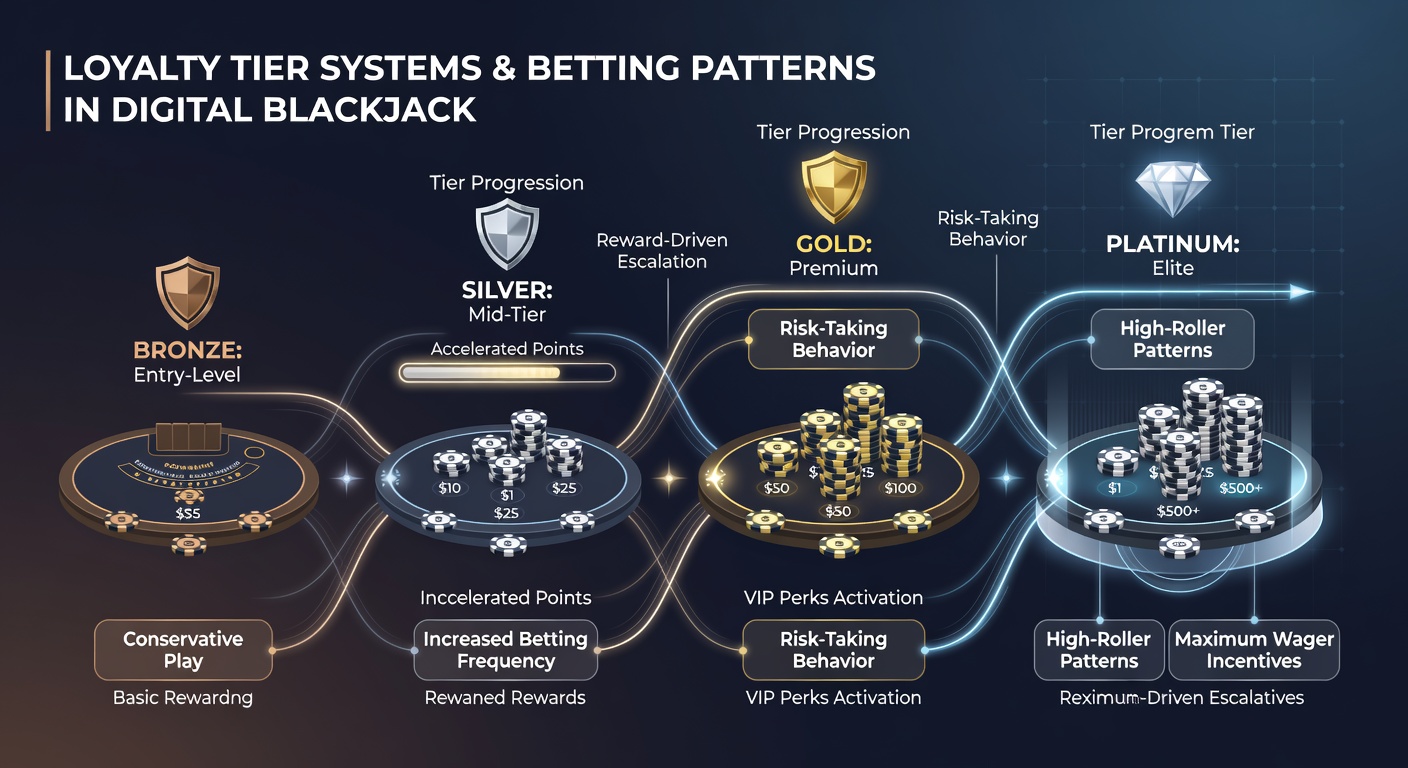
Digital blackjack platforms have integrated loyalty tier systems that reward players based on cumulative activity, and these structures create measurable shifts in how participants place wagers over time. Players advance through levels such as bronze, silver, gold, and platinum by accumulating points tied directly to bet volume, which in turn unlocks escalating benefits including cashback percentages, reduced house edges on specific tables, and personalized bonus credits.
Research from the National Center for Responsible Gaming shows that tier progression often correlates with increased average bet sizes as users chase the next reward threshold, particularly in games where blackjack rules remain consistent across sessions. Data collected across multiple platforms indicates that once players reach mid-tier status, they tend to maintain steadier wagering rhythms rather than fluctuating between minimum and maximum bets.
Mechanics of Tier Advancement and Point Accumulation
Most systems calculate loyalty points as a percentage of total wagered amounts, with blackjack contributing at rates that reflect its lower house edge compared to slots or roulette. A player betting $50 per hand over 200 hands earns points faster than someone spreading the same total across smaller, sporadic bets, which encourages longer sessions at consistent stake levels. Observers note that platforms adjust point multipliers during promotional windows, and these temporary boosts frequently lead to temporary spikes in bet frequency as users accelerate their climb.
Those who study player databases report that gold and platinum tiers often grant access to exclusive tables with favorable rule variations, such as 3:2 blackjack payouts or surrender options that reduce the house edge by fractions of a percent. Because these advantages become available only after sustained high-volume play, many participants adjust their session lengths and stake sizes to protect their tier status once achieved.
Observed Shifts in Betting Behavior Across Tiers
Patterns emerge when analysts compare activity logs before and after tier upgrades. Lower-tier users typically exhibit more conservative betting spreads, keeping wagers close to table minimums while testing game flow. As they accumulate points toward silver or gold, average bet amounts rise by 15 to 30 percent according to aggregated platform metrics released in early 2026. Higher-tier players, meanwhile, demonstrate greater willingness to increase stakes during winning streaks, confident that cashback and comps will offset potential drawdowns.
Turns out these adjustments extend beyond single sessions. Longitudinal tracking reveals that platinum members often schedule play around bonus reset dates, concentrating larger bets into shorter windows to maximize point earnings before monthly cycles refresh. This behavior contrasts with bronze-level participants who distribute smaller bets more evenly across the month.
Regional Data and Platform Comparisons
Figures from Canadian regulatory filings illustrate similar dynamics, with tiered programs showing elevated handle per active account among users who reach upper levels within six months of registration. In contrast, Australian market reports compiled by the Australian Institute of Criminology highlight that loyalty structures emphasizing tier-locked table access produce steadier month-to-month wagering volumes rather than sharp peaks and troughs. Both datasets suggest that reward visibility plays a role, since players who receive real-time progress notifications tend to calibrate bets more deliberately to hit upcoming milestones.
Platform operators have introduced hybrid models that combine tier status with blackjack-specific multipliers, such as double points on hands above a certain threshold. These features further influence strategy, prompting some participants to favor higher-stake tables even when basic strategy remains unchanged. Industry analyses from June 2026 indicate that such targeted incentives sustain engagement among mid-tier users who might otherwise reduce activity after initial novelty fades.
Conclusion
Loyalty tier systems in digital blackjack environments produce distinct, trackable changes in how players distribute their wagers across sessions and over longer periods. Advancement mechanics tied to bet volume encourage progressive increases in stake size, while tier-locked benefits create incentives for sustained participation at elevated levels. Available data from multiple regulatory and research bodies confirms these patterns without implying causation beyond observed correlations, and platform designs continue to evolve around these documented behaviors.