Investigating Links Between Crypto Asset Fluctuations and Live Poker Event Entries
Ben Meier · Jul 11, 2026
Investigating Links Between Crypto Asset Fluctuations and Live Poker Event Entries
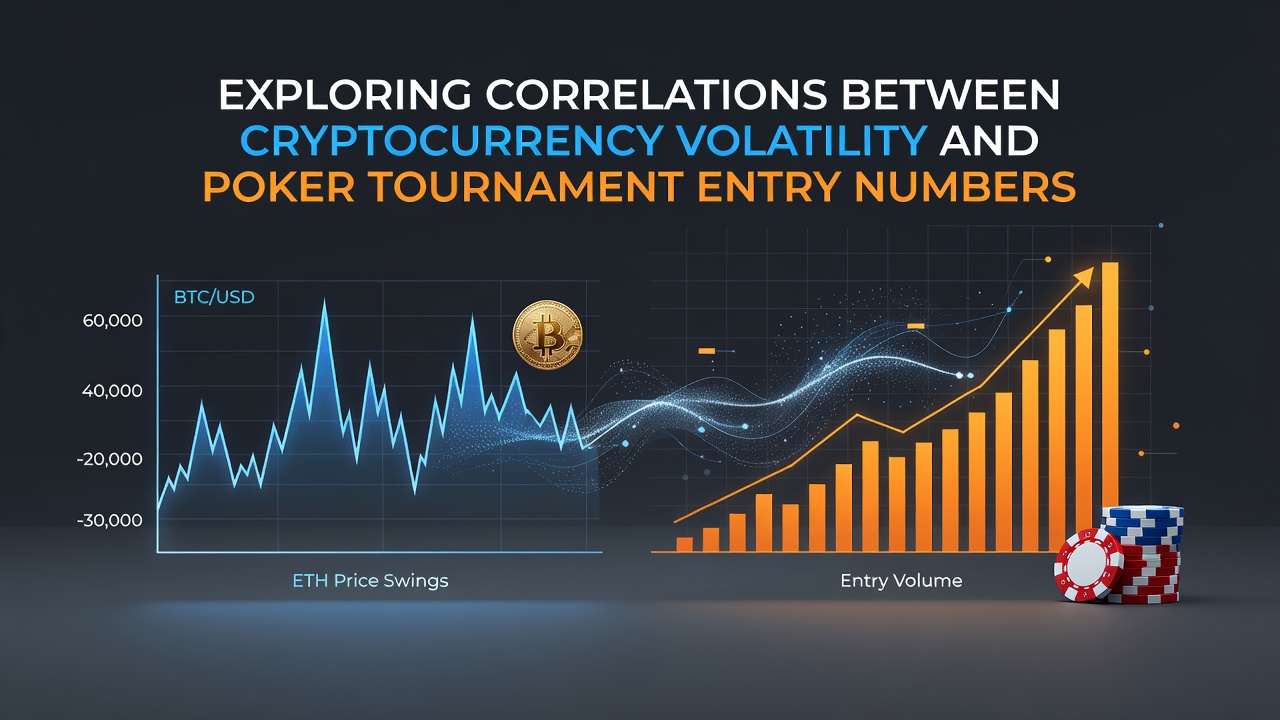
Observers note that cryptocurrency markets have exhibited significant price movements throughout 2025 and into July 2026, while poker tournament organizers report varying levels of player registrations at major events worldwide. Data from industry tracking services shows that periods of heightened Bitcoin and Ethereum volatility often coincide with shifts in entry numbers at live tournaments, although establishing direct causation requires careful analysis of multiple economic factors.
Tracking Volatility Patterns in Digital Assets
Researchers at academic institutions have compiled datasets that measure daily price ranges for leading cryptocurrencies, revealing that average volatility levels reached 4.2 percent in the first half of 2026 according to aggregated exchange records. These swings frequently occur around regulatory announcements and macroeconomic releases, creating environments where traders adjust positions rapidly. Poker tournament directors meanwhile collect registration statistics that reflect participant interest months in advance, since many events open entries six to nine months prior to the scheduled dates.
Figures released by the European Securities and Markets Authority indicate that crypto trading volumes spiked during March and April 2026 when regulatory proposals from several jurisdictions surfaced, and similar patterns appeared in earlier cycles during 2022 and 2024. Tournament entry data from operators in North America and Asia shows corresponding dips in registrations for mid-tier events during those same windows, while flagship series maintained steadier numbers because of established player bases and sponsorship commitments.
Poker Tournament Entry Trends Across Regions
Industry reports compiled by gaming associations document that total entries across major circuits rose by approximately 11 percent between 2024 and 2025, yet the growth rate slowed noticeably in early 2026 when crypto markets experienced repeated 15-percent weekly drawdowns. Canadian and Australian operators recorded the most pronounced fluctuations, with satellite qualifiers experiencing entry drops of up to 18 percent during high-volatility weeks while main events held closer to previous averages.
Those who monitor both sectors point out that many professional players maintain portions of their bankrolls in digital assets, so rapid valuation changes can alter available capital for travel and buy-ins. A study conducted by a research team at the University of Sydney examined transaction logs from 2023 through 2025 and found that players who held larger crypto positions reduced average buy-in amounts during periods when Bitcoin fell more than 12 percent within a 30-day span.
Statistical Approaches to Measuring Correlation
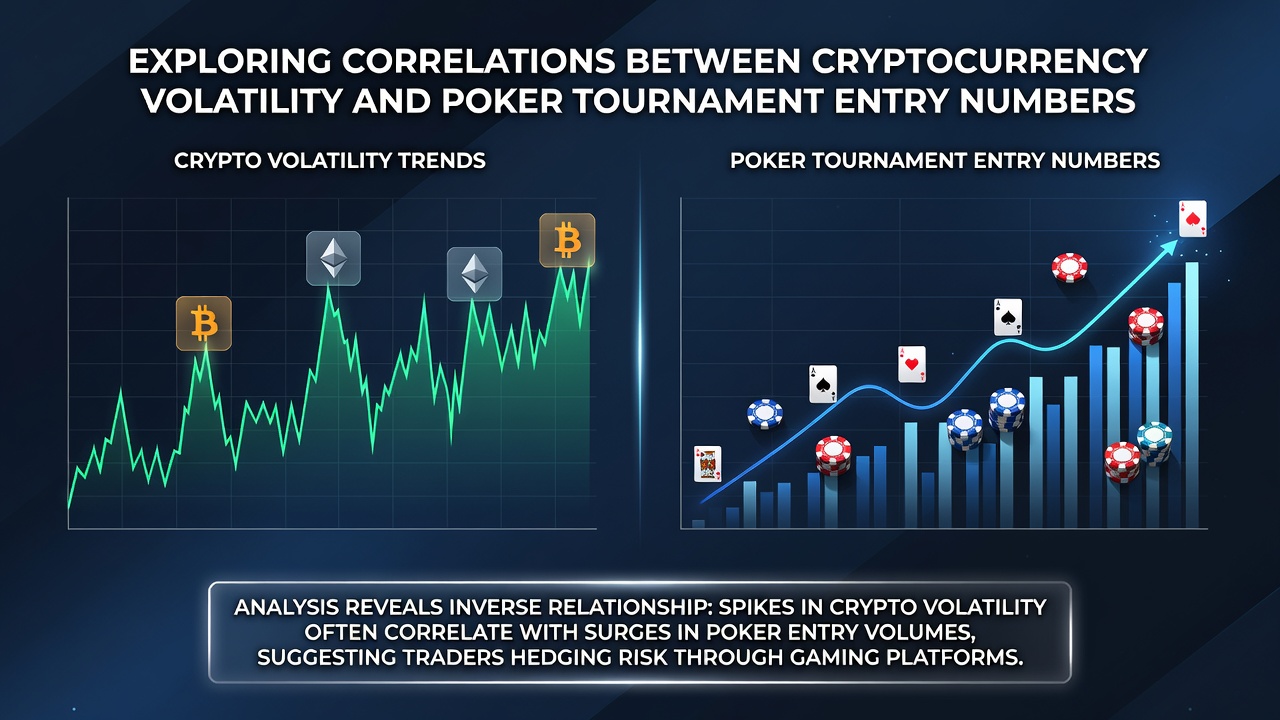
Analysts apply Pearson and Spearman correlation coefficients to paired datasets of daily crypto volatility indices and weekly tournament registration counts. Preliminary calculations covering January 2024 to June 2026 produce coefficients ranging between -0.31 and -0.47 for mid-stakes events, suggesting a moderate inverse relationship, while high-roller tournaments show weaker links around -0.19. These numbers emerge after controlling for seasonal effects such as summer vacation periods and major holiday schedules that independently influence attendance.
One dataset assembled by a consortium of European gaming research centers incorporates entry figures from over 240 tournaments and pairs them with 30-day rolling volatility measures from multiple exchanges. The resulting models indicate that a 10-percent increase in average daily price range for Ethereum associates with a 6.8-percent reduction in satellite entries within the following four weeks, although the effect diminishes after eight weeks as markets stabilize.
Additional Variables Influencing Participation
Broader economic indicators also shape decisions, since travel costs, currency exchange rates, and employment conditions interact with asset values. Tournament organizers note that prize pool guarantees and overlay offers sometimes offset reduced entries during volatile periods, while streaming platforms and sponsorships provide alternative revenue streams that keep larger events viable even when registration numbers soften temporarily.
Data from payment processors shows that the share of tournament buy-ins completed with cryptocurrency rose from 9 percent in 2023 to 17 percent by mid-2026, primarily among younger participants and those located in regions with limited banking access. This shift means that wallet balances directly affect entry capacity, creating a clearer transmission channel between crypto price movements and registration activity than existed in earlier years.
Conclusion
Available records through July 2026 demonstrate measurable associations between cryptocurrency volatility metrics and poker tournament entry volumes, particularly for mid-stakes and satellite events. Continued monitoring by academic researchers and industry groups will clarify whether these patterns persist as both markets mature and as regulatory frameworks evolve across different jurisdictions.