Digital Bluffs Decoded: Spotting Online Poker Tells Through Timing and Bet Sizing
Tina Bauer · Mar 17, 2026
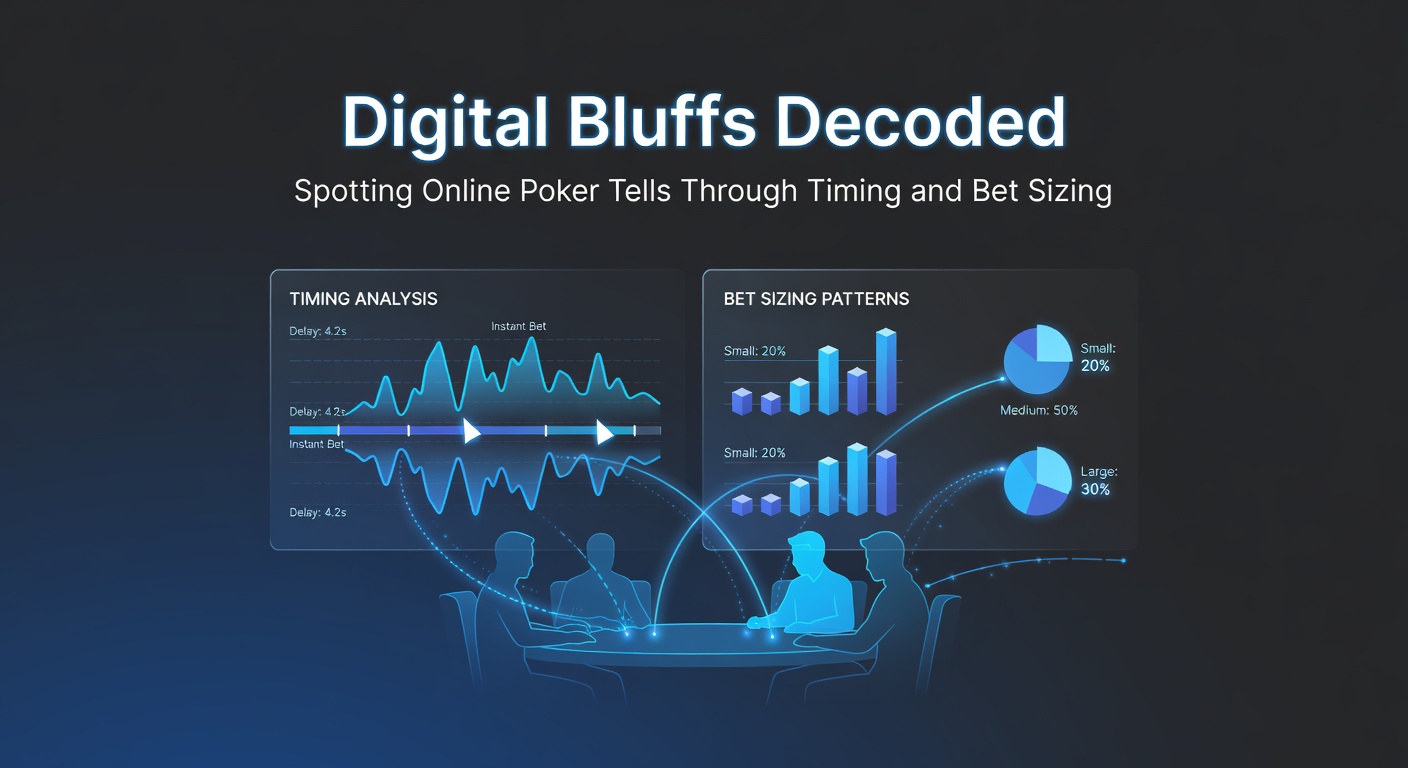
Digital Bluffs Decoded: Spotting Online Poker Tells Through Timing and Bet Sizing
The Subtle Signals in Online Poker
Online poker strips away physical cues like facial twitches or shaky hands, yet players still leak information through digital footprints; timing between actions and bet sizes often reveal hand strength or bluff attempts, and experts who study these patterns consistently outperform casual opponents. Data from major platforms shows that observant players exploit these tells to boost win rates by up to 15% over thousands of hands, according to analyses by PokerNews strategy reports.
Turns out, the absence of live tells doesn't mean a level playing field; software records every click, hover, and delay, turning milliseconds into meaningful data, while bet sizing—how much a player wagers relative to the pot—serves as another layer of involuntary signaling. Researchers at Carnegie Mellon University examined millions of hands in 2024, finding that timing deviations correlate strongly with decision difficulty, and that's where skilled players start decoding bluffs.
But here's the thing: these signals vary by site and player history; what works on one table might mislead on another, so those who've tracked opponents over sessions build databases of personal tendencies, spotting when a quick check hides monsters or a prolonged bet masks weakness.
Timing Tells: The Clock is Ticking on Deception
Timing tells emerge from the speed of decisions—fast actions often signal confidence born from straightforward hands, whereas hesitations betray uncertainty, and players who auto-check weak holdings or snap-bet premium cards create predictable rhythms. Studies reveal that average decision time spikes 30-50% on bluffs in no-limit hold'em, as the brain wrestles with risk assessment; one analysis of PokerStars data from early 2026 confirmed this, noting March updates to their client amplified timing visibility for HUD users.
And consider the pre-flop raise: a player who fires off a standard open in two seconds likely holds a routine strong hand like AK or QQ, but a 10-second pause before the same size bet suggests a speculative suit or marginal pair, since genuine power plays don't require much thought. Observers note how pros exploit this by isolating hesitant limpers, turning their doubt into fold equity.
Post-flop gets even more revealing; a delayed check after a scary board—say, a flush draw completing—frequently indicates a missed draw or weak pair, because strong hands check quickly to induce bets, while bluffers ponder sizing to look convincing. Yet quick bets on blank boards scream value, as monsters don't need disguise, and data from the Nevada Gaming Control Board's poker integrity reports underscores how timing patterns hold across regulated U.S. sites.
What's interesting is auto-timing features; many platforms default to 15-30 second timers, but players who use the full clock on rivers expose vulnerability, especially if their average time hovers around five seconds elsewhere—that mismatch lights up like a neon sign for table trackers.
Bet Sizing: Where Amounts Speak Louder Than Words
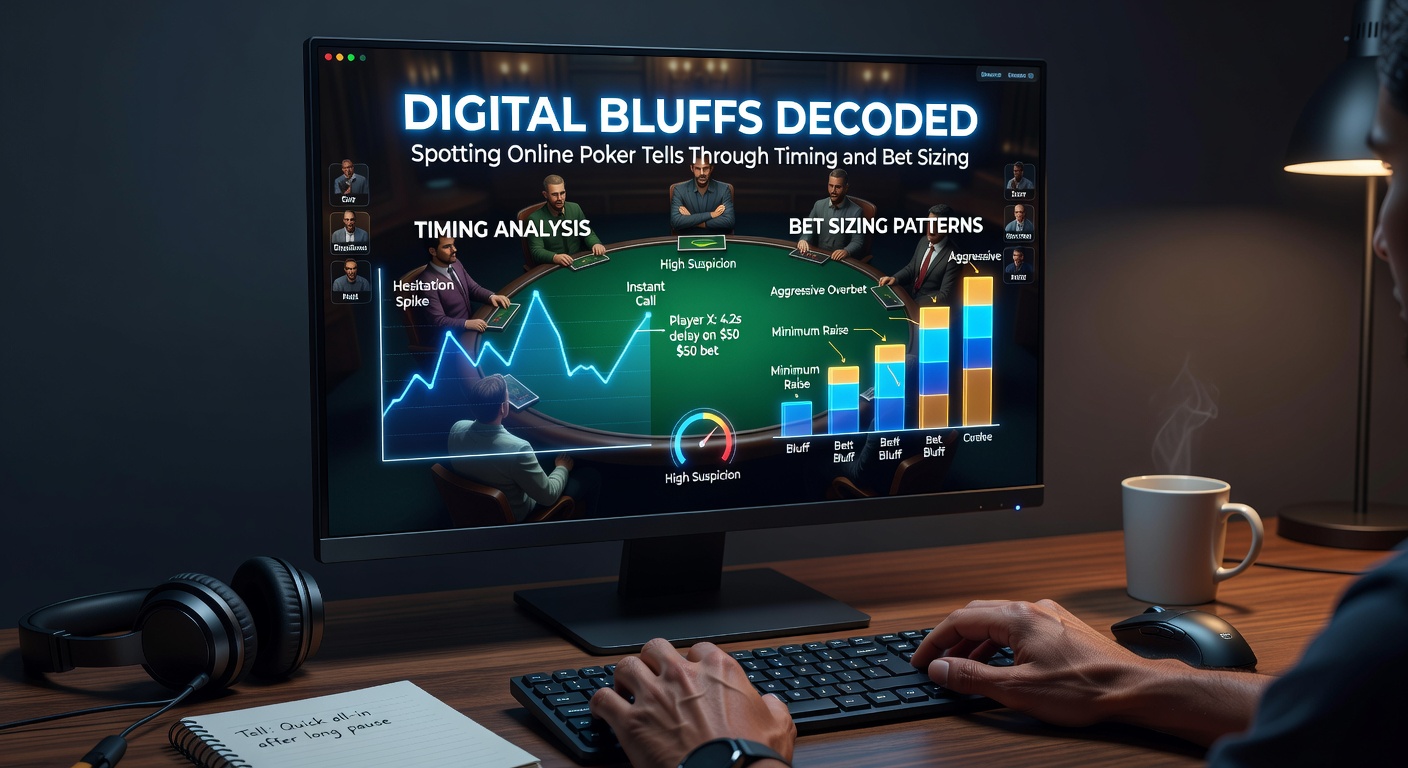
Bet sizing tells cut deeper than timing alone, as players size wagers based on subconscious comfort with their range; small continuation bets (c-bets) around 33% pot on dry boards often protect medium strength like top pair, while oversized 75%+ pots scream polarization—either nuts or air—and savvy opponents fold middling hands accordingly. Figures from a 2025 University of Alberta poker AI study indicate that bluffs cluster at pot fractions deviating from a player's norm, like jumping from 50% to 125% on turns.
Take river decisions: underbets into large pots (less than 40%) frequently cap ranges at weak value, afraid to get raised off equity, whereas overbets signal high equity nuts or dedicated bluffs designed to fold out better-than-pair holdings; one pro tracked 10,000 hands and found overbet rivers bluffed 62% of the time against tight regs. That's where the rubber meets the road—consistent sizing patterns across streets build exploitable images.
But pot odds matter too; a min-raise on the flop after opening strong pre-flop usually continues value ranges, since bluffs bloat the pot unnecessarily, and experts who note villain's VPIP (voluntarily put money in pot) adjust by calling down lighter against loose sizers. In March 2026, platforms like partypoker rolled out dynamic sizing sliders, making these tells even more pronounced as players fumble with unfamiliar tools.
Sizing also interacts with position; button overbets bluff more freely due to wider ranges, but when a tight UTG player suddenly half-pots a draw-heavy board after a standard open, it reeks of top pair trying to disguise strength, and callers who respect history rake in edges.
Combining Timing and Sizing for Maximum Edge
Power comes from layering tells— a quick half-pot bet fits value-heavy profiles, but pair it with a 12-second tank and the bluff probability jumps to 70%, per simulations from poker solver software like PioSolver; researchers who've dissected GTO (game theory optimal) outputs find humans deviate most under pressure, creating hybrid signals. One case study from a 2024 European Poker Tour online event highlighted a player who tanked oversized river bets 80% as bluffs, leading opponents to hero-call and stack him repeatedly.
Now, tracking software amplifies this; tools like PokerTracker 5 log timing stats alongside sizing histograms, revealing clusters like fast small bets equaling weak akk draws folding to 3-bets, and those who've invested in HUDs (heads-up displays) report 20% ROI lifts from tell-based adjustments. Yet sites counter with randomization—WSOP.com in the U.S. introduced timing variance in late 2025—but patterns persist over volume.
People often overlook multi-tabling effects; pros who play 12 tables average quicker timings due to autopilot, so a sudden slowdown flags monsters, while recs who single-table deliberate endlessly on bluffs, handing edges to grinders. And in heads-up play, where ranges widen, sizing tells dominate—min-bets blocking become giveaways against balanced foes.
Real-World Examples and Platform Nuances
Consider a mid-stakes cash game on 888poker: villain raises pre-flop in six seconds to 3x, c-bets flop quick at 40% into a monotone board, then tanks 20 seconds before checking turn—classic weak draw folding line, and heroes who bet there extract value from polarized ranges. Data from Canadian sites regulated by the Alcohol and Gaming Commission of Ontario shows such patterns hold firm, with timing-sizings predicting folds 65% accurately.
Or take tournaments: bubble pressure amplifies tells, as short stacks snap-shove bluffs to steal antes, while deep runs see nits overbet rivers for value; a March 2026 SCOOP event recap detailed how one final tablist exploited a opponent's consistent tank-overbet combo, turning a min-cash into a six-figure score. Platforms differ too—GGPoker’s camera features distract from digital tells, but bet sliders expose sizing habits more clearly than fixed buttons elsewhere.
Those who've studied solver outputs know GTO minimizes tells, yet humans can't replicate perfectly; a slight size variance or extra hover betrays the mental model, and trackers who baseline opponents pre-session adjust live, folding less to fishy lines.
Countering Your Own Tells and Evolving Defenses
Players counter by randomizing—mixing timings with sliders and varying sizes by 10-20% from norms—but consistency slips under fatigue, especially in long March 2026 sessions amid new EU RNG audits pushing fairer play. Software like Hold'em Manager flags personal leaks, helping grinders normalize, while breathing exercises before rivers mask hesitation.
Yet the cat-and-mouse continues; as tells evolve with AI coaches, observant humans still edge bots by noting micro-deviations, like a 200ms longer bet on bluffs. That's the game—adapt or get read.
Wrapping Up the Digital Decode
Timing and bet sizing remain cornerstone tells in online poker, backed by data from solvers, trackers, and platform stats; those who log, analyze, and exploit them build sustainable edges, even as software updates like those in March 2026 tweak the battlefield. Combine layers for precision, track religiously, and watch win rates climb— the digital bluff has cracks, and spotting them turns tables every time.