Decoding Algorithms: How Random Number Generators Shape Outcomes Across Digital Poker and Roulette Platforms
Dana Foster · Aug 13, 2026

Decoding Algorithms: How Random Number Generators Shape Outcomes Across Digital Poker and Roulette Platforms
Random number generators sit at the core of every digital poker hand and roulette spin on modern platforms, turning complex mathematical sequences into the card draws and wheel results that players encounter. These systems rely on deterministic algorithms seeded with unpredictable inputs, yet the outcomes remain statistically fair because the sequences pass rigorous testing for uniformity and independence. Observers note that without properly implemented RNGs, platforms could not maintain regulatory compliance or player trust in jurisdictions around the world.
The Mathematics Behind Digital Randomness
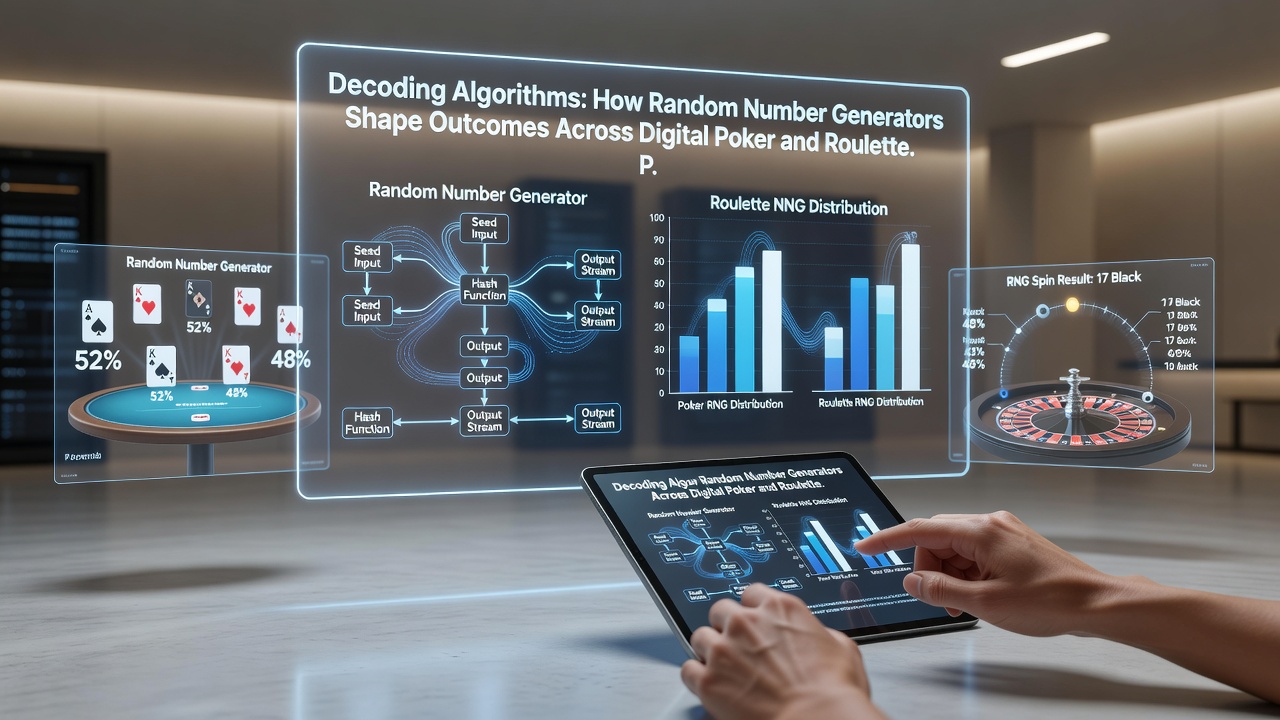
Most online implementations use pseudorandom number generators based on algorithms such as Mersenne Twister or cryptographic hash functions, which produce long periods before repeating. The seed value often comes from hardware entropy sources including thermal noise, mouse movements, or system clock variations, and this combination ensures the output cannot be predicted even when the algorithm itself is known. Research indicates that true randomness from quantum sources appears in some newer systems, yet pseudorandom methods dominate because they deliver sufficient statistical quality at lower computational cost.
Certification bodies evaluate these generators against standards that require millions of test cycles, checking for bias across every possible outcome. Data shows that approved RNGs must demonstrate even distribution across card ranks in poker and equal probability for each pocket on a roulette wheel before platforms receive operating licenses.
RNG Application in Digital Poker Variants
In online poker rooms the generator shuffles virtual decks by assigning random values to each card and then sorting them according to those values, a process repeated for every new hand. Multiple decks or continuous shuffling modes appear in certain variants, each requiring the RNG to maintain independence between successive draws so that no card carries memory of previous results. Experts have observed that this independence prevents patterns that skilled players might otherwise exploit, while also satisfying audit requirements from testing laboratories.
Texas Hold'em and Omaha implementations follow the same core process, though the number of cards dealt per hand differs. When platforms introduce multi-table tournaments, the RNG must handle simultaneous shuffles across separate tables without introducing correlations between them. Figures reveal that certified systems handle thousands of hands per second across global player bases while preserving statistical integrity.
RNG Mechanics in Online Roulette
Roulette platforms use the RNG to select the winning number and color for each spin after the wheel animation completes its cycle. European and American wheel configurations receive equal treatment because the generator assigns values across the full set of pockets regardless of physical layout. The animation itself serves only as visual feedback; the result is determined the moment the bet closes, and subsequent spins begin from a fresh random seed. This separation ensures the visual sequence never influences the numerical outcome.
Live dealer streams combine physical wheels with RNG elements only for side bets or bonus features, while the main wheel result comes from the physical spin captured on camera. Hybrid models like this have expanded since 2024, and by August 2026 several major operators plan to integrate quantum RNG modules into their roulette offerings to further strengthen unpredictability claims.
Regulatory Oversight and Independent Testing
Testing laboratories such as those accredited under ISO 17025 standards perform ongoing audits that include source code review, entropy analysis, and long-term output sampling. According to reports from the Nevada Gaming Control Board, RNG submissions must demonstrate compliance before any game reaches the market in that jurisdiction. Similar requirements exist under the Malta Gaming Authority and the Alcohol and Gaming Commission of Ontario, each maintaining distinct yet overlapping evaluation criteria.
Platforms publish return-to-player percentages derived from RNG behavior over millions of simulated rounds, and these figures undergo periodic verification. One study published through the IEEE Transactions on Games examined output sequences from multiple commercial systems and confirmed that properly certified generators produce distributions indistinguishable from true random sources at practical sample sizes.
Player Perception and System Transparency
Many users question whether outcomes feel random when long streaks appear, yet statistical analysis shows such streaks occur naturally within fair distributions. Observers note that the human tendency to perceive patterns does not reflect flaws in the generator itself. Educational resources on platform sites often include explanations of expected variance, helping players understand that short sessions rarely match long-term probabilities.
Transparency reports released by operators detail the testing dates, laboratory names, and certificate numbers for each game, allowing players to verify claims independently. These documents typically link to summaries rather than raw data, yet they provide sufficient information for regulatory cross-checking.
Conclusion
Random number generators determine every card and number outcome in digital poker and roulette through carefully validated algorithms that prioritize statistical fairness and regulatory compliance. Ongoing advances in entropy collection and testing protocols continue to strengthen these systems as platforms scale to larger audiences. The combination of mathematical rigor, independent audits, and transparent reporting creates the foundation that allows online versions of these games to operate reliably across diverse markets.