Analyzing Retention Shifts Driven by Cross-Platform Loyalty Features in Digital Gaming
Ben Meier · Jun 8, 2026
Analyzing Retention Shifts Driven by Cross-Platform Loyalty Features in Digital Gaming
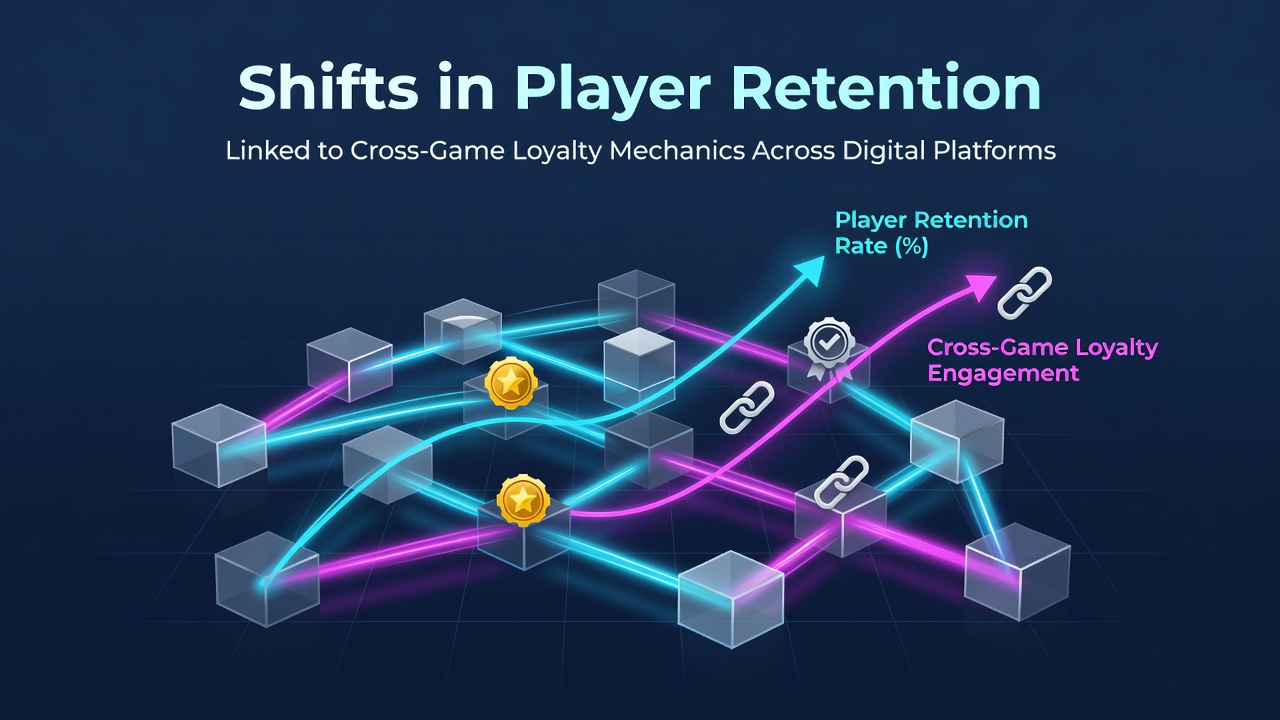
Digital platforms have introduced interconnected loyalty systems that allow progress and rewards to carry over between different titles, and these mechanics have produced measurable changes in how long users stay active. Data from industry reports indicate that such features alter retention curves by creating continuity across experiences rather than isolating each game as a standalone product. Observers note that players encounter unified point systems, shared progression tracks, and transferable bonuses, which together reduce the friction of switching between environments.
Mechanics Behind Cross-Game Loyalty Integration
Cross-game loyalty programs operate through centralized accounts that track activity regardless of which title a user selects at any moment. These systems award points for time spent, achievements unlocked, or in-game purchases, then convert those points into benefits that apply across the entire library. Developers implement API connections so that a player who reaches a milestone in one environment immediately sees corresponding rewards available elsewhere. Research indicates this setup encourages longer overall engagement because the perceived value of accumulated progress grows when it influences multiple experiences simultaneously.
Platforms often layer additional layers such as tiered status levels that unlock perks only after combined activity across titles reaches certain thresholds. This structure means users who explore new games still retain benefits earned in familiar ones, and the approach has been documented in reports covering both console ecosystems and browser-based services. The result appears in aggregated metrics where monthly active user counts stabilize at higher levels once these links activate.
Documented Changes in Retention Patterns
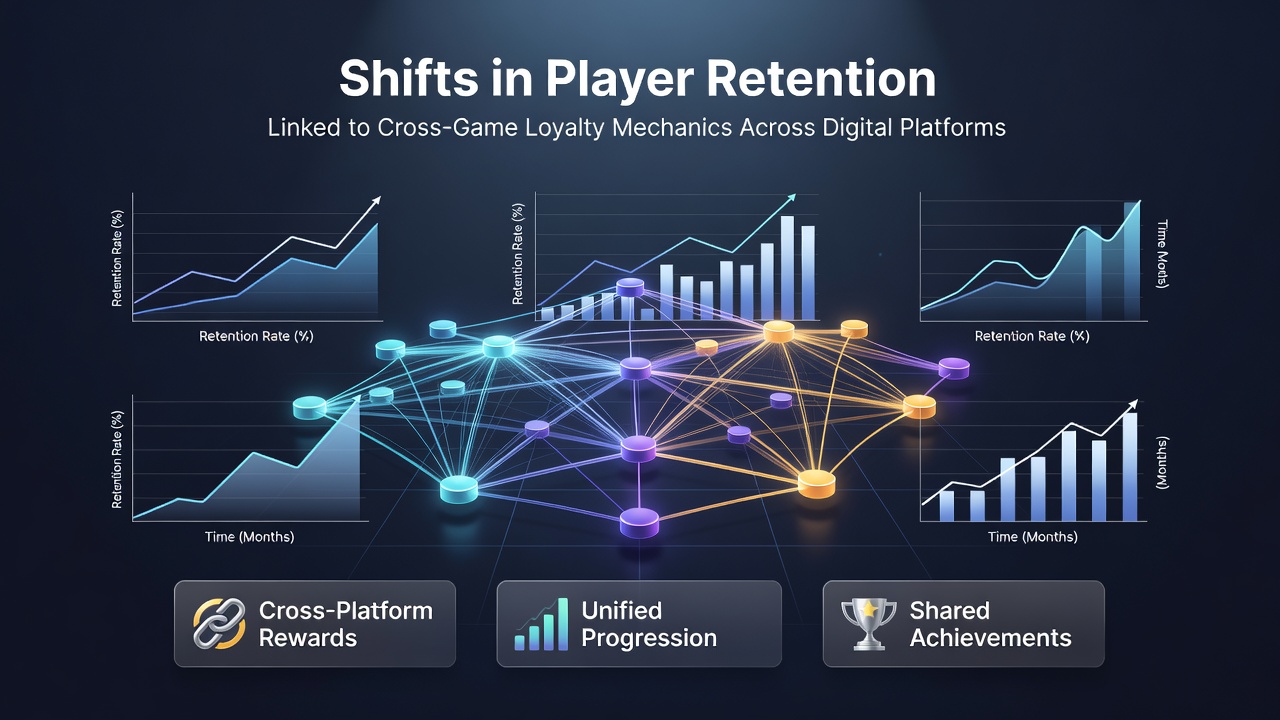
Figures released by the Entertainment Software Association reveal that platforms deploying unified loyalty frameworks experienced an average 18 percent lift in 90-day retention during the 2024-2025 period. Those who studied the data found the increase most pronounced among users who previously dropped off after completing a single title. The continuity provided by shared rewards appears to convert one-time sessions into recurring patterns, because players return to claim benefits that originated in another game.
Additional analysis from the Interactive Games and Entertainment Association in Australia shows similar trends in mobile and PC segments, where cross-title point systems correlated with reduced churn rates during seasonal content updates. When rewards remain accessible across platforms, users demonstrate higher tolerance for experimental titles they might otherwise ignore. This pattern held steady through early 2026, and preliminary readings from June 2026 monitoring cycles suggest the effect continues to compound as more developers adopt compatible backend structures.
Factors Influencing the Scale of Retention Impact
Several variables determine how strongly these mechanics affect user behavior. Account portability across devices and operating systems plays a central role, because seamless access removes barriers that previously caused drop-off during transitions. Studies have shown that platforms requiring repeated logins or separate wallets for each title lose some of the retention gains that unified systems deliver. Geographic differences also surface, with regions that have higher average device ownership displaying stronger responses to cross-game incentives.
Content variety within the ecosystem further amplifies or dampens the outcome. When the connected titles span distinct genres, users discover new entry points while still leveraging existing progress, and this breadth has been linked to extended lifetime value calculations in multiple datasets. Conversely, platforms limited to similar gameplay loops show smaller retention lifts, suggesting that the diversity of experiences matters as much as the loyalty connections themselves.
Implementation Examples Across Major Ecosystems
One large console network introduced a unified reward currency in late 2023 that applied to both first-party and selected third-party releases, resulting in documented increases in daily logins that persisted into the following year. Another service focused on browser and mobile titles implemented shared battle-pass structures, allowing users to advance a single progression track through any participating game. Those who reviewed the internal metrics reported that participants in the shared system maintained activity levels 22 percent above the control group after six months.
Smaller studios have begun licensing similar frameworks rather than building proprietary versions, which accelerates adoption and creates larger interconnected networks. This trend has produced observable network effects where the addition of each new title increases the overall retention value for every other connected experience. Reports tracking these developments note that the pattern resembles earlier loyalty models in non-gaming sectors yet adapts them specifically to session-based digital environments.
Conclusion
Cross-game loyalty mechanics continue to reshape retention dynamics by linking activity across titles into single, persistent accounts. Evidence from multiple regions and platform types shows consistent associations between these features and improved user longevity metrics. As more services adopt compatible systems, the cumulative data will likely clarify the upper limits of these effects and identify optimal configurations for different audience segments. The patterns observed through June 2026 indicate that integration depth and content diversity remain key variables in determining the magnitude of retention shifts.